


Unlock fatty acids for dogs: A Practical Guide to Health
When we talk about your dog's health, it’s easy to focus on proteins and vitamins, but there's another group of nutrients that are absolute game-changers: essential fatty acids. These aren't just a "nice to have"—they're the fundamental building blocks for everything from a shiny coat to flexible joints and a sharp mind.
The key thing to remember is that dogs can’t make certain vital Omega-3s on their own. That means these fats must come from their diet or through supplementation. They are a non-negotiable part of keeping your dog healthy and thriving.
Why Fatty Acids Are Your Dog's Best Friend
Let's think of your dog's body like a high-performance machine. To keep it running smoothly, you need the right kinds of oils and lubricants. Fatty acids are exactly that, with each type performing a very specific, crucial job.
If they're missing, things start to break down. You might see this as dry, itchy skin, a dull and brittle coat, stiff joints, or even a decline in cognitive sharpness as they age. Getting to know what these fatty acids do is the first step in unlocking your dog's full potential.
This chart gives a great overview of the main players—Omega-3, Omega-6, and Omega-9—and the roles they play.

As you can see, each one contributes something unique, from fighting inflammation to building a strong immune system.
The A-Team of Fatty Acids
To really get a feel for how they work, let's give them job titles:
- Omega-3s (The Soothing Specialists): These are your anti-inflammatory experts. When a dog has achy joints or irritated skin, Omega-3s—especially EPA and DHA—are the ones that show up to cool things down and promote healing.
- Omega-6s (The Barrier Builders): Think of these as the first line of defense. They are absolutely essential for a robust immune response and for creating a strong, healthy skin barrier that keeps moisture in and allergens out.
- Omega-9s (The Helpful Handyman): While dogs can technically make these on their own, Omega-9s are the reliable all-rounders. They pitch in to support good heart health and keep the body's overall metabolism running smoothly.
Here’s the single most important thing for pet owners to understand: Dogs are terrible at converting plant-based Omega-3s (called ALA) into the powerful, usable forms (EPA and DHA). This is precisely why marine sources like fish oil or algae oil are so incredibly valuable.
It's All About the Balance
One of the biggest mistakes people make is thinking more of one fatty acid is always better. The real magic happens when you get the balance right, especially between Omega-6s and Omega-3s.
The problem is that many commercial dog foods are already loaded with Omega-6s from ingredients like chicken fat or vegetable oils. Without enough Omega-3s to counterbalance them, this can actually create a pro-inflammatory state in the body. It’s like having a construction crew with too many demolition experts and not enough builders.
Adding a good Omega-3 supplement is often the best strategy to restore that crucial balance. Getting the ratio right lays the foundation for a brilliant coat, pain-free movement, and a healthy brain. Of course, a truly holistic approach to health means looking at everything in their environment, right down to choosing a floor cleaner safe for dogs.
The Real Health Benefits of Fatty Acids

It’s one thing to understand what fatty acids are, but it’s another thing entirely to see what they can do for your dog. These aren’t just abstract chemical names; they are powerful nutrients that deliver real, visible improvements to your dog's health, from their puppy days all the way into their golden years.
Think of Omega-3s—especially EPA and DHA—as your dog's personal, on-site maintenance crew. They're constantly at work behind the scenes, cooling inflammation, keeping joints moving smoothly, and fortifying the very foundation of their health. The best part? The results aren't just internal. They’re changes you can actually see and feel in your best friend every day.
Soothing Stiff Joints and Improving Mobility
For a dog dealing with stiff, achy joints, Omega-3s can be a game-changer. These fatty acids act like a natural, soothing balm, directly targeting the inflammation that causes pain and makes it hard for them to get around. This is especially vital for senior dogs and breeds genetically predisposed to conditions like arthritis.
The difference can be profound. A dog who once hesitated to jump onto the couch might suddenly get their bounce back. A slow, painful walk can transform into an energetic trot. There's a reason the joint supplement market is so massive; an estimated 20% of dogs over one year old deal with osteoarthritis. Research shows that supplementing with fatty acids for dogs can slash key inflammatory markers by up to 35%, helping them stay active and playful for longer. You can see more on this trend in the latest pet food market reports.
By managing inflammation, you're not just easing their pain. You're giving them back the freedom to move, play, and simply enjoy being a dog.
Nurturing Healthy Skin and a Lustrous Coat
One of the first places you’ll notice the power of fatty acids is in your dog's skin and coat. Omega-6s are the primary builders of a strong, resilient skin barrier, which is essential for locking in moisture and keeping environmental irritants out.
But when you balance those Omega-6s with anti-inflammatory Omega-3s, that's when the magic really happens. You’ll start to see:
- Reduced Itchiness: A healthier skin barrier means less irritation from common allergens.
- Less Flakiness: Good hydration from the inside out puts a stop to dry skin and dandruff.
- A Brilliant Shine: Fatty acids nourish the hair follicles themselves, producing a coat that’s soft, glossy, and undeniably healthy.
If your dog's coat looks dull or they can't seem to stop scratching, a lack of these critical fats is often the culprit. To dive deeper into this, check out our guide on the best dog food for a shiny coat.
Boosting Brain Health and Cognitive Function
The benefits of fatty acids for dogs go well beyond what you can see. The Omega-3 known as DHA is a major structural building block of the brain. It's absolutely crucial for puppies' cognitive development and for keeping senior dogs mentally sharp.
In puppies, a DHA-rich diet helps with learning, memory, and trainability. In seniors, it works to protect brain cells and support neural pathways, helping them stay alert and engaged. Studies have even found that fatty acids can improve cognitive scores by a whopping 28% in older dogs, slowing down the mental decline that sometimes comes with age. That means more years of clear-headed, happy companionship with your best friend.
Finding Omega Fatty Acids in Whole Foods
Supplements are a great tool, but nothing beats getting nutrients straight from the source. A food-first approach gives your dog a powerful advantage because whole foods deliver omegas alongside a whole symphony of other vitamins, minerals, and antioxidants.
Think of it as building a stronger health foundation from the ground up. By adding omega-rich whole foods to your dog's bowl, you're not just targeting one issue; you're boosting their overall well-being with every meal.
Top Omega-3 Sources From the Sea
When you want the most powerful, ready-to-use omega-3s—we're talking EPA and DHA—look to the ocean. Cold-water fatty fish are nutritional powerhouses because dogs can absorb and use these marine-based fatty acids immediately. There's no inefficient conversion process like there is with plant-based sources.
Some of the best fish options include:
- Salmon: A classic choice, loaded with high levels of EPA and DHA that support everything from healthy joints to a sharp mind.
- Sardines: These little fish are a fantastic, sustainable option. They're low in mercury and offer a concentrated punch of omega-3s, making them an easy meal topper.
- Mackerel: Another oily fish that gives your dog’s natural anti-inflammatory defenses a serious boost.
Just remember to always cook fish and remove all bones before serving. If you're wondering which types are best, you can learn more about what fish dogs can eat in our comprehensive guide.
Plant-Based Omegas and Animal-Based Omega-6s
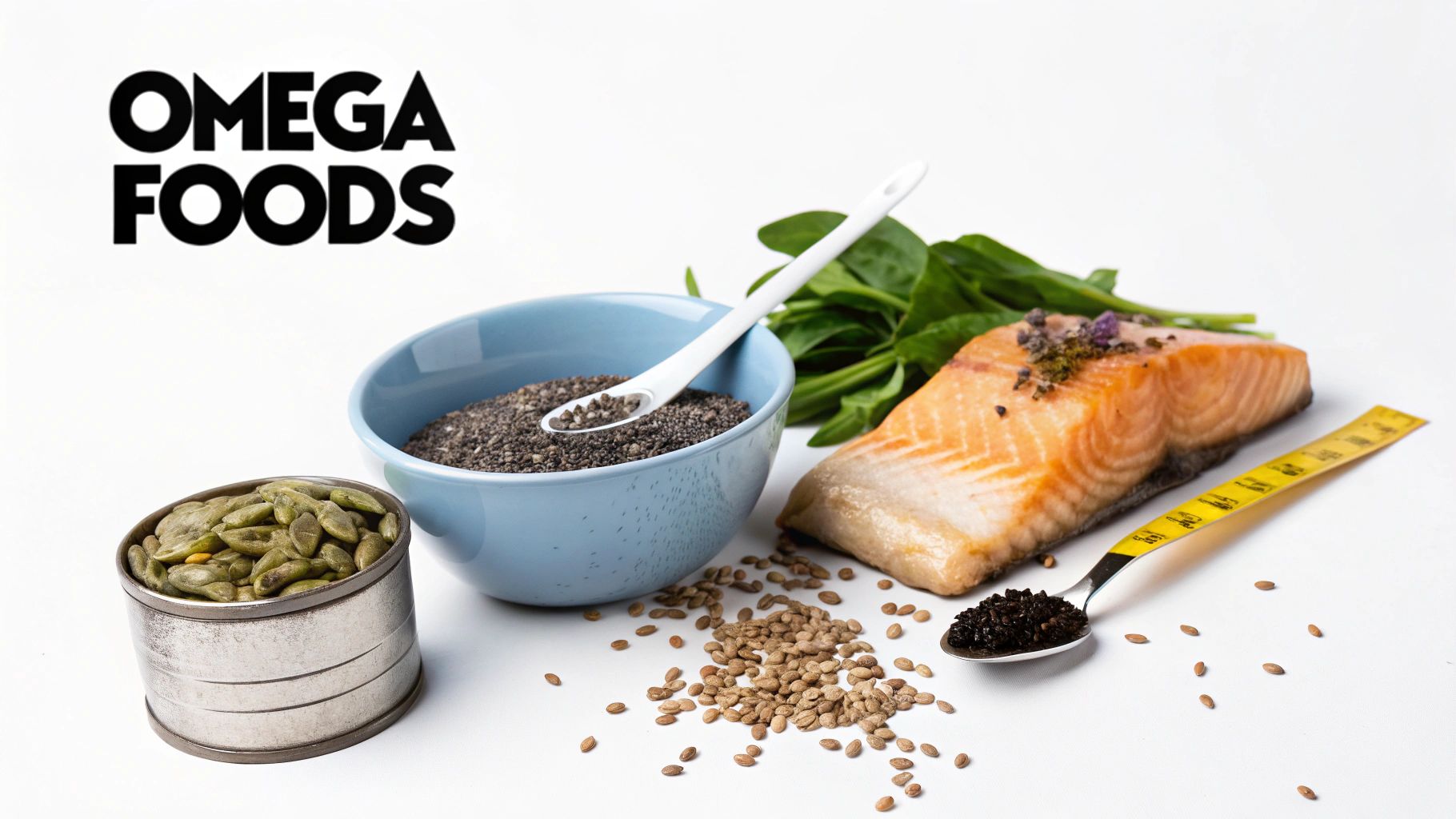
Don't forget about plants! They are excellent sources of the omega-3 fatty acid ALA. While dogs aren't great at converting ALA into the more useful EPA and DHA, these foods still pack a healthy punch with fiber and antioxidants. Freshly ground flaxseed and chia seeds are two fantastic options.
When it comes to omega-6s, your dog is likely already getting plenty. Healthy fats from animal sources like chicken and plant oils like sunflower oil are common in commercial dog foods and are rich in linoleic acid, which is vital for skin health.
The key is balance. Because most commercial dog foods are already high in omega-6s, your main job as a pet owner is to intentionally add omega-3-rich foods. This helps bring that all-important fatty acid ratio back to a healthy, anti-inflammatory state.
The move toward whole-food nutrition isn't just a small trend. Sales in the fresh dog food market have shot up by an incredible 86.5% since 2021. These diets often feature high-quality ingredients like chicken fat (for omega-6) and flaxseed oil (for omega-3), showing a huge shift in what owners want. In fact, 77% of consumers are willing to pay more for pet foods that offer specific health benefits. You can discover more about the fresh pet food market trends and consumer insights here.
Best Natural Food Sources of Fatty Acids for Dogs
We've covered a few great options, but let's break them down into a simple chart. This will help you see at a glance what each food offers and how you can easily add it to your dog's diet.
| Food Source | Primary Fatty Acid | Key Benefit | Serving Suggestion |
|---|---|---|---|
| Salmon | Omega-3 (EPA/DHA) | Anti-inflammatory, brain health | Cooked, deboned fillet (check portion size) or a squirt of high-quality salmon oil. |
| Sardines | Omega-3 (EPA/DHA) | Skin & coat, joint support | One or two canned-in-water (no salt) sardines as a meal topper. |
| Ground Flaxseed | Omega-3 (ALA) | Fiber, skin health | 1/2 tsp per 20 lbs of body weight, mixed into food. Always use ground. |
| Chia Seeds | Omega-3 (ALA) | Antioxidants, digestive health | Soak seeds first, then add a small sprinkle (1/4 tsp for small dogs) to meals. |
| Chicken | Omega-6 (LA) | Healthy skin, immune function | Often the primary protein in high-quality kibble or fresh diets. |
| Sunflower Oil | Omega-6 (LA) | Coat shine, energy | Use sparingly; a few drops drizzled over food. Choose cold-pressed, organic. |
By weaving these foods into your dog's meals, you can create a diet that’s naturally balanced and packed with the good fats they need to thrive.
How to Choose the Right Fatty Acid Supplement
Walking down the pet aisle and seeing a wall of supplements can feel overwhelming. Every bottle promises a shinier coat or healthier joints. But with a little know-how, you can cut through the marketing noise and find a fatty acid supplement that's genuinely safe and effective for your dog.
First things first: ignore the giant "fish oil" number splashed across the front of the label. That number is often just a distraction. The real magic is in the concentration of the two most important omega-3s: eicosapentaenoic acid (EPA) and docosahexaenoic acid (DHA). These are the active powerhouses that deliver the anti-inflammatory and brain-boosting benefits your dog needs.
Decoding Supplement Sources
Not all omega supplements are created equal. Where the fatty acids come from matters—a lot. It impacts everything from potency and purity to sustainability, so let's break down the main options you'll encounter.
There are three main players in the world of fatty acid supplements:
- Fish Oil: This is the classic source, usually extracted from cold-water, fatty fish like salmon, sardines, and anchovies. It's a fantastic and direct source of ready-to-use EPA and DHA.
- Krill Oil: Harvested from tiny, shrimp-like crustaceans, krill oil also packs a punch with EPA and DHA. Some research suggests its unique structure might make it even easier for a dog's body to absorb.
- Algal Oil: This is a brilliant plant-based, vegan alternative. It comes directly from marine algae, which is where fish get their omega-3s in the first place! It's a clean, sustainable source of both EPA and DHA.
There's a good reason these ingredients are becoming so popular. The global dog food market is expected to skyrocket from USD 51.27 billion in 2025 to a massive USD 91.82 billion by 2035, and a big part of that growth is driven by owners like you looking for functional, health-boosting foods. With so many pet parents prioritizing sustainability, it’s no surprise that algae-based omegas are gaining serious traction.
Comparing Fatty Acid Supplement Sources for Your Dog
To help you decide what’s best for your furry friend, let's look at a side-by-side comparison of the most common omega-3 supplement sources. Each has its own set of benefits and potential drawbacks.
| Supplement Source | Primary Omega-3s | Pros | Cons |
|---|---|---|---|
| Fish Oil | EPA & DHA | Highly potent, widely available, and proven effective through extensive research. | Can have a strong fishy odor; risk of heavy metal contamination if not purified properly. |
| Krill Oil | EPA & DHA | Excellent absorption due to phospholipid structure; contains the antioxidant astaxanthin. | More expensive than fish oil; harvesting practices can raise sustainability concerns. |
| Algal Oil | EPA & DHA | Highly sustainable and eco-friendly; a great vegan option; free from fish allergens and ocean contaminants. | Can be more costly than fish oil and may have lower concentrations in some products. |
| Flaxseed Oil | ALA | Plant-based and affordable; good source of fiber. | Dogs have a very limited ability to convert ALA into usable EPA and DHA, making it less effective. |
Ultimately, the best choice depends on your dog's specific health needs, your budget, and your personal priorities, like sustainability.
Verifying Quality and Purity
So, how can you be sure the product you’re buying is pure, potent, and actually contains what the label says? This is where you have to become a bit of a detective. You need to look for proof of independent verification.
This is where third-party supplement testing comes in. Independent labs can verify that a product is free from harmful contaminants like mercury and PCBs and that it meets the potency claims on the label.
An easy way to spot a trustworthy brand is to look for a seal of approval from a reputable organization. In the pet world, the gold standard is the National Animal Supplement Council (NASC) Quality Seal. Seeing that seal means the company has passed a tough, independent audit of its manufacturing and quality control.
Choosing a certified product is one of the simplest and most effective ways to find the best skin and coat supplement for your dog. It gives you peace of mind that you're making a safe choice for your dog's health.
Finding the Right Omega-3 Dose for Your Dog
When it comes to supplements, it's easy to think that if some is good, more must be better. But with fatty acids, that’s just not the case. The real goal is to find that sweet spot—enough to deliver those amazing anti-inflammatory benefits without going overboard.
Getting the dosage right is all about balance, especially with the powerhouse omega-3s, EPA and DHA. While they're fantastic for your dog's health, too much can cause problems. The best approach is to start with a research-backed guideline and, most importantly, talk with your vet.
General Dosing Guidelines by Weight
Before you add any new supplement to your dog's bowl, a quick chat with your veterinarian is essential. They'll give you a recommendation that's perfect for your dog’s unique needs, considering their age, health, and current diet.
That said, there's a widely accepted starting point for healthy adult dogs that's based on body weight. Vets often suggest a combined dose of 75-100 mg of EPA and DHA per kilogram of body weight each day.
Here’s what that looks like in practice:
- Small Dog (20 lbs / ~9 kg): A good starting range is 675-900 mg of combined EPA/DHA daily.
- Medium Dog (50 lbs / ~23 kg): You’d be looking at roughly 1,725-2,300 mg of combined EPA/DHA daily.
- Large Dog (80 lbs / ~36 kg): Their daily dose would be around 2,700-3,600 mg of combined EPA/DHA.
Keep in mind, these are just general guidelines. A dog struggling with a specific condition like severe arthritis might need a higher, more therapeutic dose. That’s a decision that has to be made and closely monitored by your vet.
The Golden Rule of Supplementing: Always start low and go slow. Introduce the supplement over a week or so to let your dog's tummy adjust. Never, ever exceed the dose your veterinarian recommends.
Are They Getting Too Much? Signs to Watch For
If the fatty acid dose is a bit too high, your dog's body will usually send you some signals. The trick is to know what to look for so you can adjust the dose right away.
Keep an eye out for these tell-tale signs:
- Tummy Troubles: This is the most common issue. You might notice loose stools or outright diarrhea.
- Slow Wound Healing: In very high amounts, omega-3s can slightly affect blood clotting, which might mean a small cut takes a little longer to heal.
- A Greasy Coat or Flaky Skin: It seems odd, but too much oil can sometimes disrupt the skin's natural balance, leading to an oily coat or even dandruff.
It’s also crucial to remember that fatty acids can interact with certain medications, like non-steroidal anti-inflammatory drugs (NSAIDs) and blood thinners. If your dog is on any medication, discussing supplementation with your vet isn’t just a good idea—it's a critical step for their safety.
Common Questions About Fatty Acids for Dogs
When you start digging into the world of fatty acids for dogs, it’s completely normal for a few questions to pop up. After all, making smart decisions for your pet’s health starts with getting clear, reliable answers.
Think of this section as your go-to guide for those nagging questions. We'll cut through the noise and give you direct answers so you can feel confident about everything from picking a supplement to knowing what to look for once you start.
Can I Give My Dog Human Fish Oil Supplements?
That’s a hard no. While it might seem like the same stuff, giving your dog a fish oil supplement made for people is a risky idea.
Human supplements are a whole different ballgame. They often contain flavorings like lemon or other citrus oils that can upset a dog’s stomach or even be toxic. The bigger issue, though, is that their EPA and DHA levels are balanced for a human body, not a canine one. Plus, they can have added vitamins, like Vitamin D, in amounts that could be dangerous for your dog.
For your pet's safety, always stick to a high-quality supplement specifically formulated for dogs. It's the only way to be sure the dosage is right, the ingredients are pure, and there's nothing harmful hiding inside.
How Long Until I See Results from a Supplement?
When it comes to supplements, consistency is everything. Every dog is an individual, but you can generally expect to see noticeable improvements in their skin and coat in about 3 to 4 weeks.
For those deeper benefits, like better joint mobility and less inflammation, you’ll need a bit more patience. It often takes at least 6 to 8 weeks to see a real change in your dog's comfort and activity levels. So hang in there—the good stuff takes time.
What Are the Signs My Dog Needs More Fatty Acids?
Often, the first clues that your dog might be short on fatty acids show up on the outside. These are the classic signs that their diet isn't quite hitting the mark.
Keep an eye out for these tell-tale symptoms:
- A dry, dull, or brittle coat that’s lost its healthy sheen.
- Flaky skin, dandruff, or shedding that seems way more than normal.
- Sores or hot spots that just won't seem to heal.
- Chronic ear infections or constant itchiness with no other obvious cause.
While these symptoms can point to other health problems, they’re very often a red flag for a deficiency in high-quality fatty acids for dogs.
Is Fish Oil the Same as Cod Liver Oil?
Not at all—and this is a critical distinction. These two oils are very different, and mixing them up can be seriously harmful to your dog.
Regular fish oil comes from the flesh of fatty fish like salmon or sardines, making it a pure source of Omega-3s. Cod liver oil, on the other hand, is extracted from the liver of the cod. That means it’s packed with extremely high levels of vitamins A and D.
Because vitamins A and D are fat-soluble, they can accumulate in your dog’s body and quickly reach toxic levels if you're not careful. For simple Omega-3 supplementation, a high-quality fish oil (or algal oil) is always the safer and more effective choice.
At Joyfull, we believe your pets deserve the best. Our formulas are made with clean ingredients and high-quality nutrients, all reviewed by our in-house veterinary advisor. Explore our products today at https://joyfullpet.com.