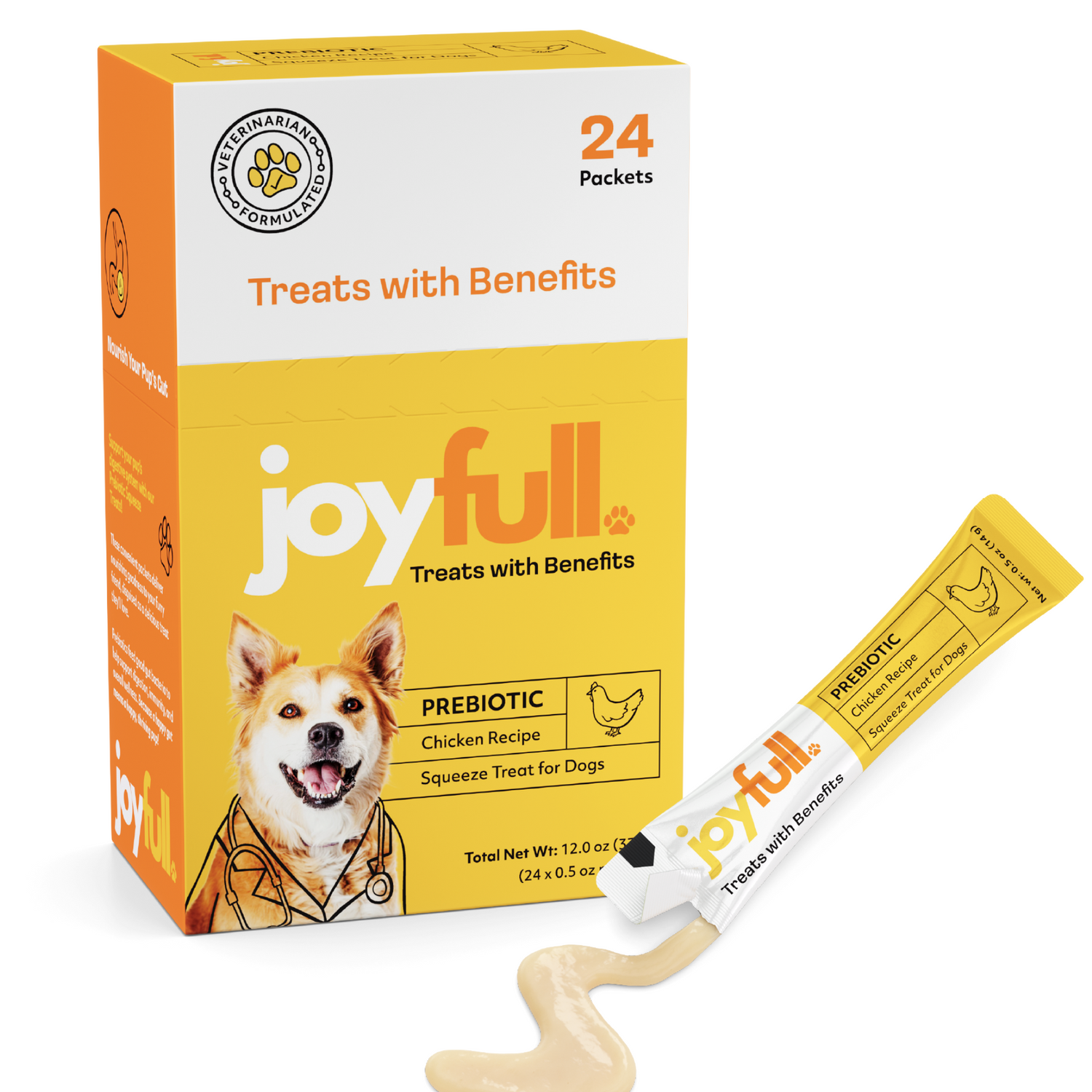


Discover Veterinarian Approved Dog Treats For A Healthy Pet
When you spot the “veterinarian approved” label on a dog treat, it should mean more than marketing flair. A truly vet-endorsed snack rests on three core pillars—each one critical for keeping your pup safe, satisfied, and thriving.
Three Core Approval Criteria For Veterinarian Approved Dog Treats
First, make sure a licensed veterinarian has had a direct hand in the formula or review. Next, look for transparent ingredient lists that leave no room for hidden fillers or synthetic colorings. Finally, check for strict safety standards, like AAFCO profiles or third-party lab certifications, to rule out contamination.
- Licensed Veterinary Collaboration: Brings professional insight into nutrient balance and taste appeal.
- Transparent Ingredient Breakdown: Reveals every element—no vague “digestive blend” hiding in fine print.
- Rigorous Safety Protocols: Guarantees testing against pathogens, toxins, and misleading nutrient claims.
Summary Of Veterinarian Approval Criteria
Below is a quick reference chart to see why each requirement matters and how it appears on packaging.
| Criterion | Why It Matters | Packaging Indicator |
|---|---|---|
| Licensed Vet Formulation | Ensures recipes balance taste, safety, and nutrients | “Formulated or Reviewed by a Veterinarian” |
| Full Ingredient Transparency | Prevents harmful additives and filler overload | Complete ingredient list in clear order |
| Strict Safety Standards | Confirms thorough testing for contaminants and claims | AAFCO seal or third-party certification |
In one glance, this table helps you confirm that treats are more than just tasty—they’re backed by professional oversight.
Next, you’ll dive deeper into:
- Ingredient deep dives with real-world nutrition analogies
- Common red flags illustrated by actual label snippets
- Step-by-step vet verification methods and packaging checks
Refer back to this summary whenever you’re shopping. It’s your roadmap to vet-approved treats that truly live up to the promise of safety and quality.
Understanding Veterinarian Approval Claims

When you spot a “veterinarian approved” badge on a snack bag, it feels like a green light for safety. Yet, not every seal follows the same protocol behind the scenes.
- Vet Formulated: A veterinarian builds the recipe from the ground up, selecting proteins, additives, and safety measures.
- Vet Reviewed: Here, a vet examines a finished formula along with its lab results before signing off.
- Third-Party Tested: Independent laboratories check for contaminants and confirm the nutritional breakdown.
Think of these steps like a car inspection. Mechanics test brakes, lights, and emissions before giving the OK. In the world of pet treats, veterinarians and labs play the role of those mechanics—each ingredient and report gets scrutinized before the product reaches your shelf.
Vet Formulated Versus Vet Reviewed
A vet formulated treat is guided by a vet from day one. They choose every component—protein sources, binding agents, preservatives—and run safety checks as they go.
On the other hand, a vet reviewed label means the formula is complete before any professional takes a look. The vet then dives into the ingredient list and lab analyses, confirming everything meets the right standards.
Both approaches carry weight, but the depth of oversight shifts depending on whether the vet is at the drawing board or the review desk.
Typical Approval Workflow
In most cases, you’ll see a multi-step process:
- A product team drafts an ingredient roster.
- A licensed veterinarian assesses nutritional balance and potential allergens.
- Samples head to a third-party lab for contaminant screening.
- An advisory panel of vets or nutritionists gives the final sign-off.
This layered review mirrors airline preflight checks—no jet takes off without multiple expert clearances.
Expert Insight
A veterinarian’s endorsement transforms a simple recipe into a rigorously tested, reliable snack for dogs.
Once labs and panels confirm safety, packaging teams add the appropriate seals and badges.
Vet Seals And Certifications
Not all badges carry the same credibility. Here’s what to look for:
- Associations like AAFCO or AVMA affiliations
- Verified seals naming the reviewing vet or listing their license number
- QR codes that link to lab reports or certification databases
- Clear disclosure of testing standards (ISO, GMP, etc.)
Real-World Example: A dog with sensitive digestion found relief with Brand X treats. That brand published its vet reviewer’s credentials and complete lab results, turning snack time into a genuine health boost.
Surveys show 48% to 62% of dog owners rely on vet recommendations when choosing treats. Learn more about dog treat market findings
Verifying Claims On Packaging
Armed with the difference between formulation and review, you can confidently scan labels in-store:
- Check for a named vet or license number.
- Scan any QR codes to confirm lab data.
- Compare ingredients against your dog’s specific needs—consider allergies and age.
In practice, pairing label checks with your veterinarian’s guidance ensures treats truly support your dog’s health.
At JoyFull, our in-house veterinary advisor reviews every treat formula side by side with third-party lab reports. We publish full test data and advisor credentials on our website so you can shop with peace of mind.
Ingredient Checklist And Common Red Flags
Getting clear on what’s inside your dog’s treats is the first step toward smart shopping. Transparency matters—no vet seal can hide vague terms or sneaky additives. Think of a readable panel as a sign of respect for your pet’s health.
In this guide, we’ll unpack the proteins vets love, spotlight functional additives and natural preservatives, and share tricks for spotting hidden ingredients. You’ll see real-world label examples, learn to flag misleading wording, and end up with a practical checklist. Ready? Let’s jump in.
Must Have Proteins
Protein quality sets the tone for a treat’s nutritional value. Veterinarians recommend named sources over generic meals because they’re easier to trace and digest.
- Chicken Breast: Lean and gentle on the stomach
- Salmon Or Fish Meal: Packed with omega-3s for shiny coats
- Beef Or Lamb: Iron-rich fuel for active dogs
- Plant-Based Options: Pea protein and lentils for sensitive pups
Avoid vague entries like “meat derivatives” or “animal digest.” If you see “chicken meal,” double-check it’s farm-raised chicken, not leftover parts. Small detective work pays off.
“A named protein source tells you more than a generic meat blend ever could,” says Dr. Maria Sanchez, DVM.
Functional Additives And Natural Preservatives
Treats can do more than taste good—they can support joints, digestion, and skin health. Vets look for targeted additives that bring real benefits.
- Glucosamine And Chondroitin: Keeps joints flexible
- Probiotics And Prebiotics: Balance gut flora naturally
- Omega-3 Fatty Acids: Calm inflammation and nourish skin
- Fiber Sources: Pumpkin or chicory root to aid digestion
When it comes to shelf life, natural is best. These preservatives are vet-approved:
- Rosemary Extract: Natural antioxidant protection
- Mixed Tocopherols: Vitamin E blend to slow spoilage
- Ascorbic Acid: Vitamin C that locks in freshness
Steer clear of long chemical names you can’t pronounce—if it sounds like a mouthful, there’s probably a simpler option.
Using Nutrition Label Analogies
Imagine reading a dog treat label like you would a snack bar. The first item listed shows the highest proportion, and familiar terms signal purity. This approach makes vet-style labels feel intuitive.
First, look for transparency. On human snacks, you want “whole oats” not “grain blend.” On treats, “deboned chicken” beats “poultry meal” every time.
Next, scan additives. You’d cringe if your candy said “FD&C Red No. 40,” so dodge treats with “Red 40” or “Blue 2.”
Finally, check serving size. Just as you note calories on a bar, make sure treats list calories or feeding instructions to keep your dog’s diet on track.
Functional and natural veterinary-formulated treats are a fast-growing segment with clear numeric momentum: analysts estimate the global natural dog treats market was about USD 6.99 billion in 2024 and is projected to reach roughly USD 14.03 billion by 2030, a compound annual growth rate (CAGR) of approximately 12.3% between 2025 and 2030. Learn more about these market findings on GrandViewResearch.com
Red Flags To Watch
Labels can mislead even the savviest buyer. Keep an eye out for these warning signs:
- “Digestive Support Blend”: No ingredient breakdown or percentages listed
- Artificial Colors: Names like “Red 40” or “Yellow 6” signal synthetic dyes
- Unlisted Preservatives: “Natural flavors” sometimes mask chemicals
- Ambiguous Proteins: “Meat by-products” often use low-quality scraps
“When labels hide behind blends and vague claims, there’s a good chance fillers are sneaking in,” notes Dr. Olivia Chen, veterinary nutritionist.
Also be skeptical of health buzzwords—“immune boost” means little without ingredient details.
Label Comparison Example
Here’s a quick side-by-side look at a transparent, vet-approved label versus a misleading one:
| Feature | Vet Approved Label | Misleading Label |
|---|---|---|
| First Ingredient | Deboned Chicken | Poultry By-Products |
| Additives | Probiotic Culture, Omega-3 From Salmon Oil | Proprietary Digestive Blend |
| Preservatives | Mixed Tocopherols | Natural Flavors (Unspecified) |
| Calorie Information | 45 kcal per Treat | No Calorie Details |
This table highlights how specific wording builds trust and vague terms erode it.
Ingredient Panel Checklist
Treat label reading like a pre-flight safety check. Make sure you:
- Verify Protein Source: Look for named meats or fish first
- Scan Additives: Seek clear labels for glucosamine, probiotics, omega-3s
- Check Preservatives: Opt for mixed tocopherols, rosemary extract, vitamin C
- Read Calorie Info: Confirm feeding guidelines fit your dog’s routine
- Avoid Vague Blends: Reject proprietary mixes and unspecified “flavors”
- Confirm Vet Seal: Match the vet reviewer’s name or license on the package
“A step-by-step panel review protects pets from hidden fillers and undeclared additives,” says Dr. Amit Patel, canine wellness specialist.
Check out our guide on ingredients to avoid in dog treats for even more label-reading tips.
By following this checklist and steering clear of common red flags, you’ll shop with confidence and choose truly veterinarian-approved treats that prioritize your dog’s health and happiness.
Verifying Approval Claims With JoyFull
Not every veterinarian seal on a treat package holds up to scrutiny. Some badges reflect real vet involvement, while others are little more than pretty logos. Here’s how to dig in and confirm those “veterinarian approved dog treats” labels are the real deal.
Evaluating Veterinarian Seals
Genuine veterinary endorsements usually include a name and license number. Look for phrasing such as Formulated by or Reviewed by, followed by credentials.
- Named Veterinarian on Package with License Number
- Verified AAFCO or AVMA Affiliation Displayed
- Disclaimers Outlining Vet Review Scope
If a badge feels generic—no names, no numbers—it’s often just marketing art.
Decoding Fine Print Disclaimers
That tiny text on the side can make or break your trust in a product. You’ll often see distinctions like Not Evaluated by the FDA versus Vet Reviewed.
- Not Evaluated by FDA vs. Vet Reviewed
- Limited Consultation vs. Full Panel Approval
- Advisory Panel Names and Scope Disclosures
Reading these notes helps you spot token mentions versus true vet endorsements.
Using QR Codes And Online Lookups
A QR code can act like a backstage pass to lab reports or a vet panel roster. If you don’t see one, jump onto the brand’s website and hunt for batch-specific details.
- Locate QR or URL for lab data
- Verify batch code date and report version
- Confirm link content matches package claims
This hands-on check shows you whether the label’s promises line up with real-world tests.
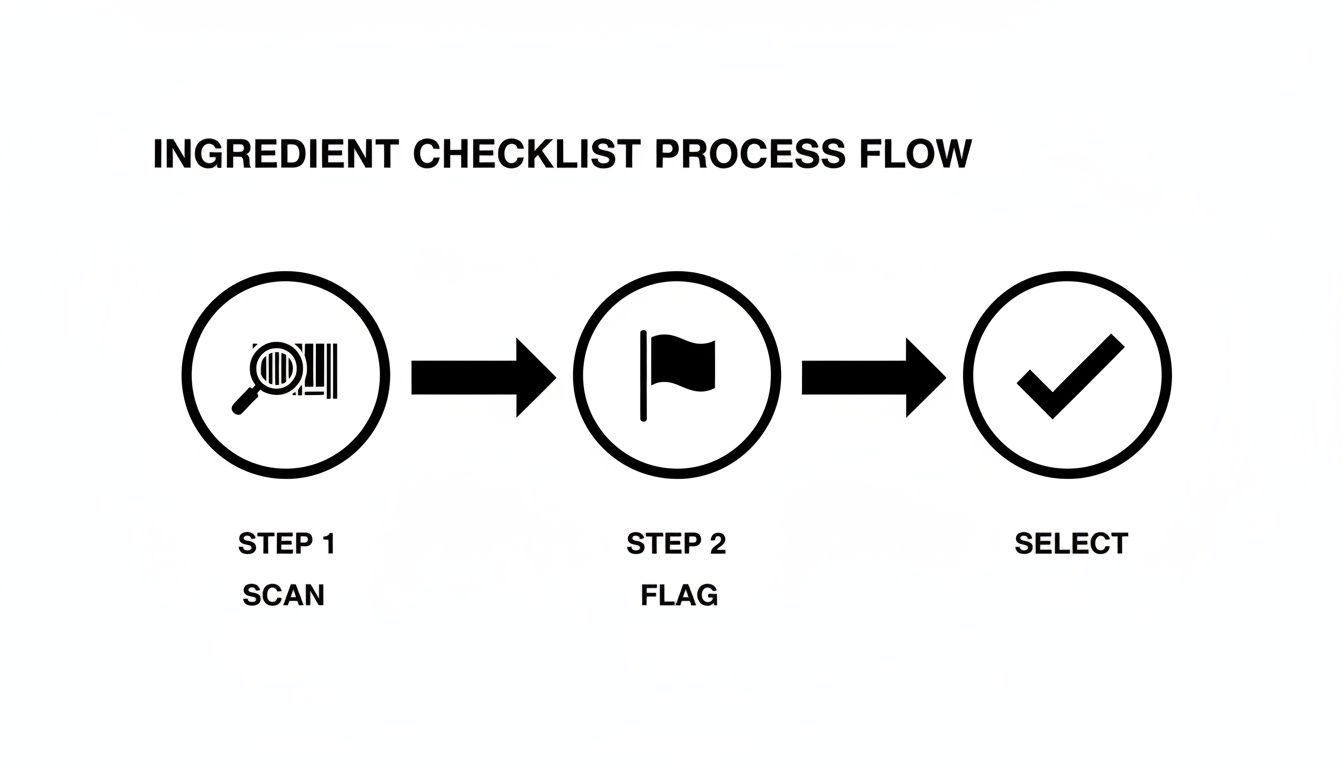
The following infographic illustrates a simple process flow for ingredient checklist validation: scanning, flagging, and selecting approved treats.
JoyFull Real World Example
With JoyFull, you don’t just see a seal—you see the story behind it. Every formula undergoes review by an in-house veterinary advisor, and their credentials live on the website.
- Board Certified Vet Nutritionist with License Verified
- Third-Party Lab Tests for Pathogens and Nutrient Accuracy
- On-Pack QR Linking to Batch-Specific Lab Reports
Their clear seal reads Reviewed by Dr Garcia DVM License 12345, so you know who signed off.
Our vet advisor Dr Garcia emphasizes that on-pack transparency builds trust and ensures consistent safety.
Actionable Validation Steps
Turn these checks into a quick routine before you buy any new treat.
- Inspect packaging for named veterinarian credentials
- Scan QR code or visit online lab library
- Read fine-print disclaimers to assess review scope
- Compare ingredient list to your vet’s advice
- Confirm batch report date matches production date
These steps keep your dog’s snacks genuinely veterinarian approved.
Next Steps For Confident Shopping
Once you’ve verified vet seals, shift your focus to ingredient quality and feeding guidelines. Check out our guide on reading dog food labels for deeper insights.
Assessing Third Party Lab Results
A credible lab report covers contaminants, nutrient profiles, and shelf stability. Look for:
- Microbial Screening for Salmonella and Listeria
- Heavy Metal Assays (lead, arsenic)
- Nutrient Verification Against AAFCO Profiles
Brands that share this data earn your trust by showing exactly what tests ran—and how treats performed.
Verifying Ingredient Transparency
Transparency goes beyond listing ingredients—it reveals their origin and processing method.
- Deboned Chicken from Free-Range Farms
- Salmon Oil Cold-Pressed in USDA-Approved Facilities
- Rosemary Extract Sourced from Organic Growers
This detail helps you avoid hidden fillers and match treats to your dog’s unique health needs.
Questions To Ask Your Veterinarian
A quick chat with your vet can confirm if a treat fits your dog’s profile.
- Which ingredients support my dog’s current health conditions?
- What’s the right portion size and feeding frequency?
- Are there known allergens or intolerances to watch for?
Your vet’s input validates label claims against your dog’s personal health.
Final Takeaways For Smart Shoppers
A seal means more when it’s backed by live data and clear disclaimers. JoyFull sets a high bar with on-pack transparency, actual vet oversight, and open lab results.
- Scan for names and credentials on packaging
- Use QR codes or URLs to read full lab reports
- Confirm disclaimers match the review scope
- Always ask your vet for personalized feedback
With these guidelines, you’ll pick treats that truly live up to “veterinarian approved.” Your vigilance rewards your pup with every safe, healthy bite.
Feeding Guidelines And Special Needs
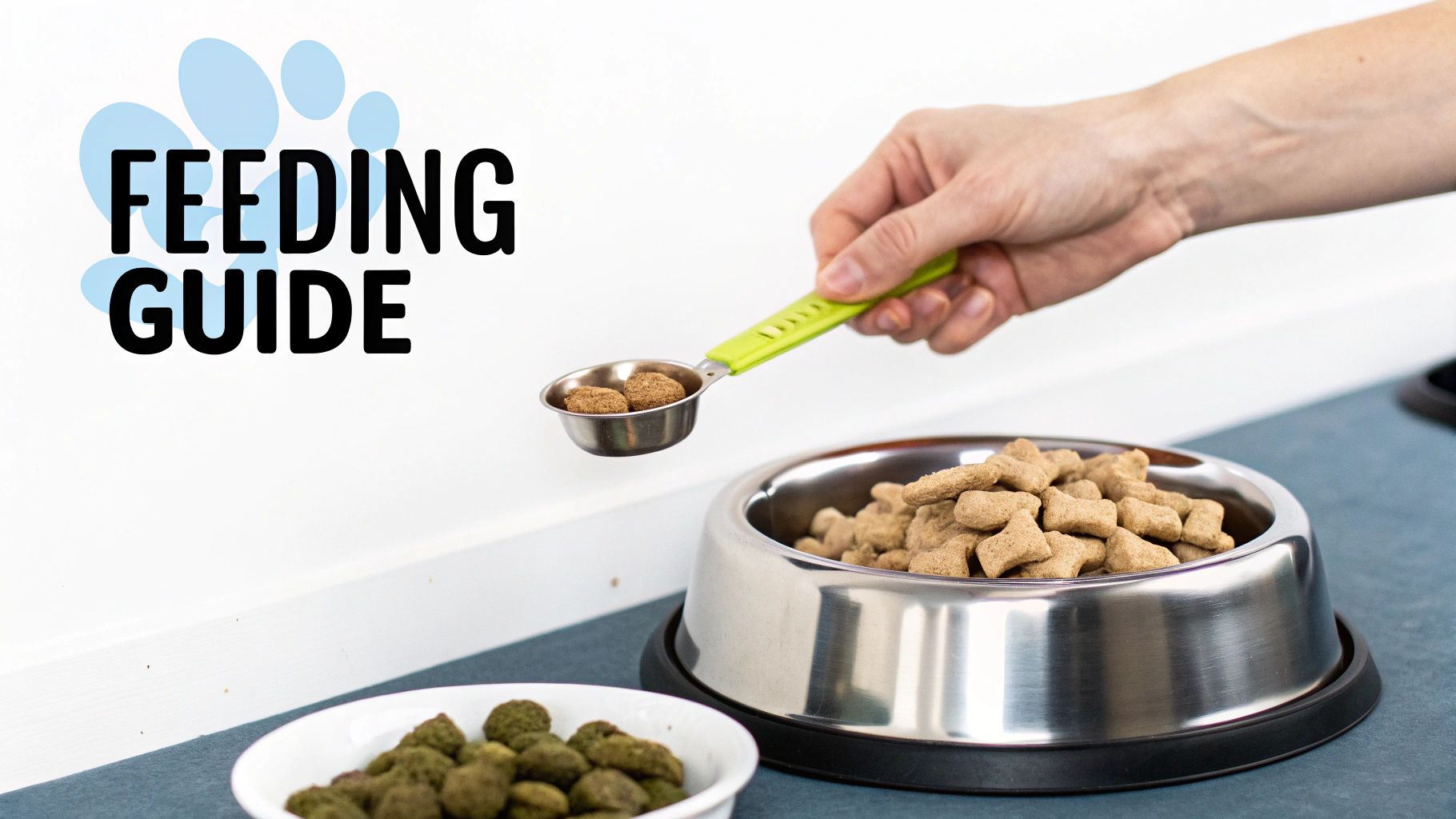
Choosing veterinarian-approved treats is just the first step—how you feed them makes all the difference. Think of treats like dessert: a small, mindful portion adds joy without tipping the nutrition scale.
Knowing your dog’s weight, age and daily routine helps you dial in the right amount. A sprightly Border Collie needs more fuel than a laid-back Bulldog lounging on the couch.
Portion Size Guidelines
Here’s a handy rule of thumb:
- Small Dogs (under 20 lbs): 5–10 kcal per treat
- Medium Dogs (20–50 lbs): 10–20 kcal per treat
- Large Dogs (over 50 lbs): 20–40 kcal per treat
Sticking to the 10% treats rule keeps extra calories from sneaking into your pup’s diet.
Treat-rotation works like a human elimination diet: introduce one new treat at a time for 5–7 days, then monitor for any tummy troubles or skin flare-ups.
“Slow introductions catch hidden intolerances before they become serious,” advises our veterinary advisor.
For example, if Max the Labrador starts scratching after chicken snacks, you can switch to salmon treats and watch for improvement.
| Condition | Trigger Protein | Swap To | Minimum Rotation |
|---|---|---|---|
| Skin Itch | Chicken | Salmon | 14 days |
| Tummy Upset | Beef | Turkey | 7 days |
| Joint Support | N/A | Glucosamine treats | N/A |
This quick-reference map helps you pivot without guessing.
Allergy Testing And Recipe Introductions
Take it step by step:
- Pick a single-ingredient treat
- Feed it twice a day for 5 days
- Pause for 3 days and note any reactions
- Reintroduce or try the next protein
If itching or an upset stomach pops up, loop in your vet for targeted allergy tests.
Read our comprehensive transitioning guide for deeper strategies.
Breed and body type matter too—active German Shepherds burn calories faster, while brachycephalic breeds often prefer slower-chew, portion-controlled snacks.
Feeding Adjustments For Common Conditions
When sensitivities flare, think mini-meals: break treats into smaller bites and keep ingredients to a minimum. For pups with joint stiffness, regular glucosamine bites can feel like a daily comfort ritual.
- Sensitivity Cases: smaller portions, limited ingredients
- Joint Cases: added functional additives, consistent schedule
“Custom feeding plans turn treats into targeted therapy,” notes Dr. Garcia DVM.
Always adjust overall calories when you introduce supplements so you don’t overshoot your dog’s daily allowance.
Supplements And Health Conditions
Some dogs thrive on a treat that doubles as their supplement:
- Glucosamine for joint comfort
- Probiotics to support digestion
- Omega-3s for skin and coat health
Pair these with vet-approved treats to craft a snack that targets arthritis, IBS or general wellness. Ask your vet to help fine-tune the balance.
“A targeted feeding plan balances calories, nutrients and special needs for each pup.”
Treat tracking is just as important as in human diets. Note each snack in a journal or app—patterns emerge and your vet can refine the plan more accurately.
Manufacturers that back their claims with veterinary advisory panels, third-party testing and on-pack guarantees often see faster recovery from recalls and retain 70–85% of their customer base. Learn more from the State of US Pet Food & Treat Industry in 2025.
When To Seek Professional Advice
If your dog has ongoing sensitivities, growth milestones or breed-specific quirks, it’s time to team up with your veterinarian:
- Schedule a treat-focused consultation
- Ask about ideal treat calories per meal
- Discuss how supplements might interact
This collaboration turns treats into more than a reward—it becomes part of your dog’s overall wellness plan.
Happy treating and healthy tails!
Frequently Asked Questions
Q1 What’s the Difference Between Vet Approved And Vet Formulated Dog Treats?
When a dog snack is “vet formulated,” a veterinarian helps select ingredients, test recipes, and shape the treat from day one. In contrast, “vet approved” means a licensed vet reviews the finished product and gives it a thumbs-up.
- Vet Formulated: Vet involved from ingredient selection to testing
- Vet Approved: Vet performs a final review after production
This two-step approach marries smart design with a critical safety check.
Q2 Can Any Brand Legally Claim Vet Approval Without Oversight?
Unfortunately, some companies use generic badges that sound official but have no real vet behind them. It’s like seeing a warranty sticker on a gadget—you want proof it’s genuine before you buy.
How To Spot Unauthorized Claims
- Look for a named veterinarian plus a license ID on the package
- Scan QR codes that link to batch-specific lab reports
A few seconds spent verifying these details can save you from false promises.
Q3 How Often Should I Rotate Treat Types?
Rotating treats every few weeks helps prevent sensitivities and keeps your dog’s diet interesting. Introduce a new snack gradually so you can spot any tummy troubles early.
- Week 1: 75% old treat, 25% new treat
- Week 2: 50/50 mix
- Week 3: 25% old, 75% new
Think of it as easing into cool water—slow and steady wins the day.
Questions To Ask Your Vet
Q4 What Should I Ask My Vet About Treat Safety?
Turn a routine check-up into a mini nutrition consultation by asking:
- “Where do these proteins and seasonings come from?”
- “What portion size matches my dog’s age, weight, and activity level?”
- “Are there any allergens or health conditions I should watch for?”
Asking targeted questions ensures you leave with clear, actionable advice.
Match your vet’s guidance against the label to pick treats that genuinely support your dog’s well-being.
Shop veterinarian approved dog treats at JoyFull
Experience vet reviewed treats with clean ingredients and transparent, true sourcing today.
JoyFull