


As pet parents, we meticulously check labels and search for the highest-quality kibble, but one of the simplest ways to elevate your dog’s wellness is often waiting in your refrigerator's crisper drawer. Adding vegetables to your dog's diet isn't just about 'humanizing' their meals; it's a science-backed strategy to provide essential vitamins, gut-healthy fiber, and powerful antioxidants that many commercial foods can't fully replicate. This is about targeted nutritional enhancement, offering a low-calorie way to support everything from their immune system to their digestive health.
However, the world of vegetables isn't a free-for-all for our canine companions. While some are nutritional powerhouses perfectly suited for them, others can be ineffective or even harmful. Knowing which plants are safe and beneficial is paramount. While this guide focuses on the best vegetables, further research into other plant-based options, such as understanding plant-based foods like avocado for dogs, can offer a more comprehensive view of dietary additions, provided you adhere to specific preparation and quantity guidelines.
In this comprehensive, vet-reviewed guide, we will break down the absolute best vegetables for dogs. We go beyond just listing them and provide the crucial 'how' for each one, covering:
- Safe preparation methods to maximize nutrient absorption.
- Precise, size-appropriate portion guidance.
- Creative and simple serving ideas your dog will love.
This is the JoyFull approach to pet wellness: actionable, genuinely beneficial tips designed to help your dog live their most vibrant life, starting with what’s in their bowl.
1. Carrots: The Crunchy Dental Health Champion
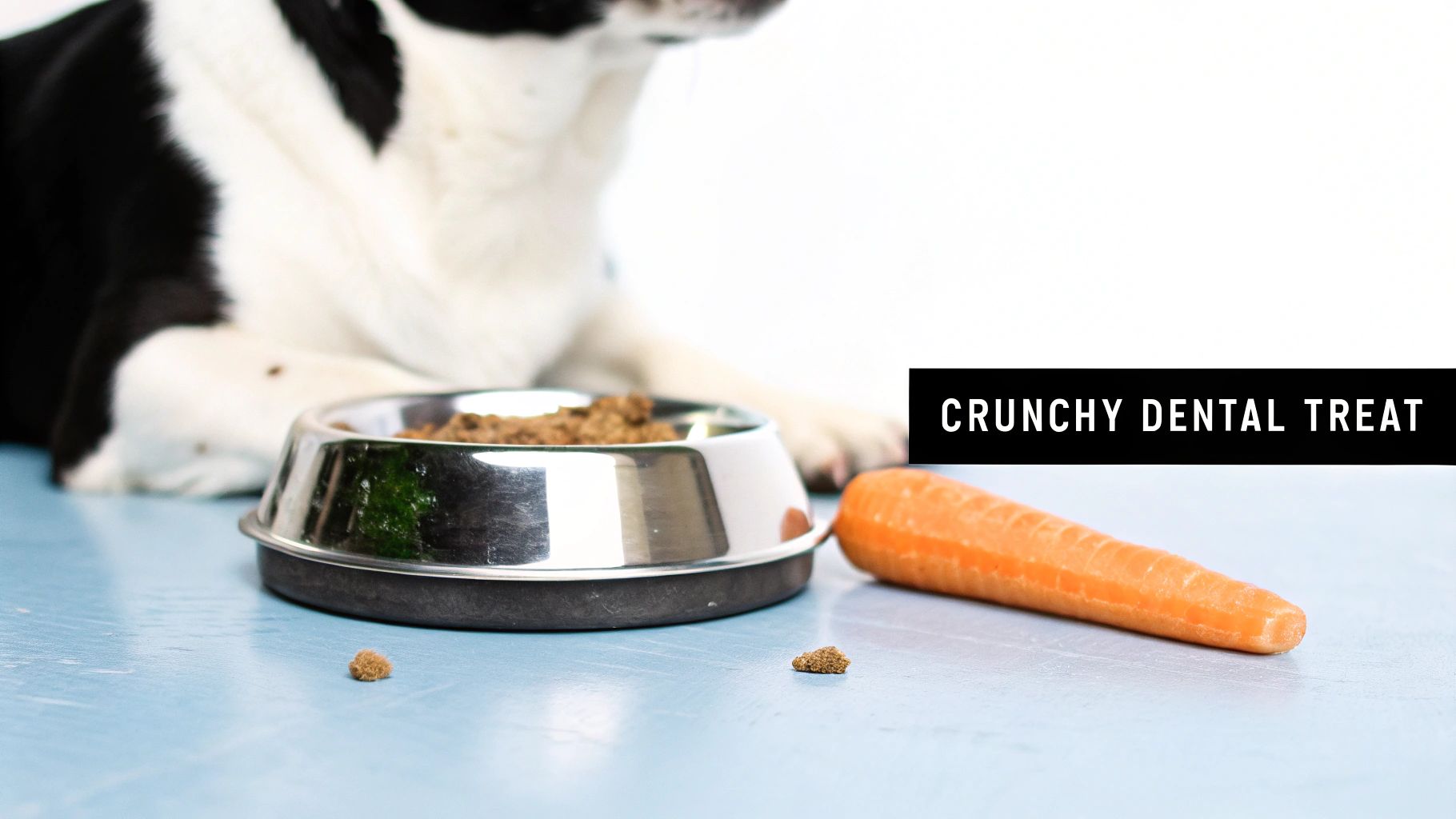
Carrots are a fantastic, low-calorie treat that many dogs adore. This vibrant root vegetable is more than just a crunchy snack; it's packed with essential nutrients that contribute to your dog's overall wellness. Their firm, fibrous texture makes them one of the best vegetables for dogs, especially for dental health, as the natural chewing action helps scrape away plaque from their teeth.
Nutritional Powerhouse
Carrots are most famous for being rich in beta-carotene, an antioxidant that the body converts into Vitamin A. This vital nutrient supports healthy vision, immune system function, and skin and coat health. Carrots also provide a good source of fiber, which aids in digestive regularity.
Vet-Reviewed Insight: "For senior dogs with dental issues or those prone to tartar buildup, a whole raw carrot can serve as a natural, edible chew toy. It satisfies their need to gnaw while gently cleaning their teeth and gums."
Serving and Preparation Guide
Proper preparation is key to making carrots a safe and enjoyable treat. Always wash carrots thoroughly and remove the green tops, which can be difficult for dogs to digest.
- Raw Carrots: For a dental-boosting snack, serve raw carrot sticks. Cut them into manageable, lengthwise pieces to prevent a choking hazard, especially for smaller breeds or enthusiastic chewers.
- Cooked Carrots: Steamed or boiled carrots are a softer option for senior dogs or those with sensitive teeth. Cooking also makes the nutrients easier to absorb. Never add salt, butter, or seasonings.
- Frozen Treats: A frozen carrot stick can be a soothing, long-lasting chew for teething puppies, helping to relieve gum discomfort.
Portion Control by Dog Size
While healthy, carrots should be given in moderation as part of a balanced diet.
- Small Dogs (under 20 lbs): A few baby carrots or one to two 1-inch slices per day.
- Medium Dogs (20-50 lbs): Half of a medium-sized carrot or several baby carrots.
- Large Dogs (over 50 lbs): One whole medium-sized carrot per day.
Because carrots support oral hygiene, they are often a key ingredient in dental-focused products. To explore more ways to support your dog's oral care, you can learn more about the best dog treats for dental health on JoyFull Pet. Their natural texture and nutritional profile make them a simple yet effective addition to your dog's diet.
2. Sweet Potatoes: The Complete Nutrient Powerhouse
Sweet potatoes are a highly digestible and nutrient-dense choice, making them one of the best vegetables for dogs. Unlike their name suggests, they are only distantly related to regular potatoes and offer a superior nutritional profile. This sweet, starchy root vegetable provides a fantastic source of sustained energy through complex carbohydrates and is a staple in many premium dog foods for its gentle impact on the digestive system.
Nutritional Powerhouse
Sweet potatoes are brimming with vitamins and minerals that support overall canine health. They are an exceptional source of beta-carotene, which converts to Vitamin A for healthy vision, immune function, and skin. They are also packed with Vitamin C, manganese, potassium, and several B vitamins, all of which contribute to a healthy heart, strong nerves, and muscle function. The high fiber content is excellent for promoting a healthy gut and regular bowel movements.
Vet-Reviewed Insight: "For dogs with food sensitivities or inflammatory bowel disease, boiled and mashed sweet potato can be a gentle, gut-soothing component of a bland diet. Its high fiber content helps firm up stools and supports a healthy microbiome."
Serving and Preparation Guide
Proper cooking is essential for sweet potatoes, as raw sweet potato can be difficult for dogs to digest and may cause stomach upset. Always cook them thoroughly until soft.
- Cooked Sweet Potato: The best methods are baking, steaming, or boiling. Cook them whole or in chunks until fork-tender. Once cooled, they can be mashed, cubed, or served as is. Never add salt, sugar, butter, or seasonings.
- Dehydrated Chews: Thinly sliced and dehydrated sweet potatoes make excellent, chewy treats that are a healthy alternative to rawhide.
- Food Topper: A spoonful of mashed sweet potato can be mixed into your dog's regular kibble to add extra nutrients and fiber, making their meal more appealing.
Portion Control by Dog Size
Due to their natural sugars and calories, sweet potatoes should be treated as a supplement to a balanced diet, not a primary food source.
- Small Dogs (under 20 lbs): One to two teaspoons of mashed or cubed sweet potato per day.
- Medium Dogs (20-50 lbs): One to two tablespoons per day.
- Large Dogs (over 50 lbs): Up to a quarter cup per day.
The versatility and dense nutritional value of sweet potatoes have made them a go-to ingredient for functional pet nutrition advocates. Many high-quality dog foods, such as those featured in JoyFull Pet's guide to the best fresh dog food, use sweet potato as a primary carbohydrate source to deliver balanced, whole-food-based energy.
3. Pumpkin: The Digestive Health Regulator
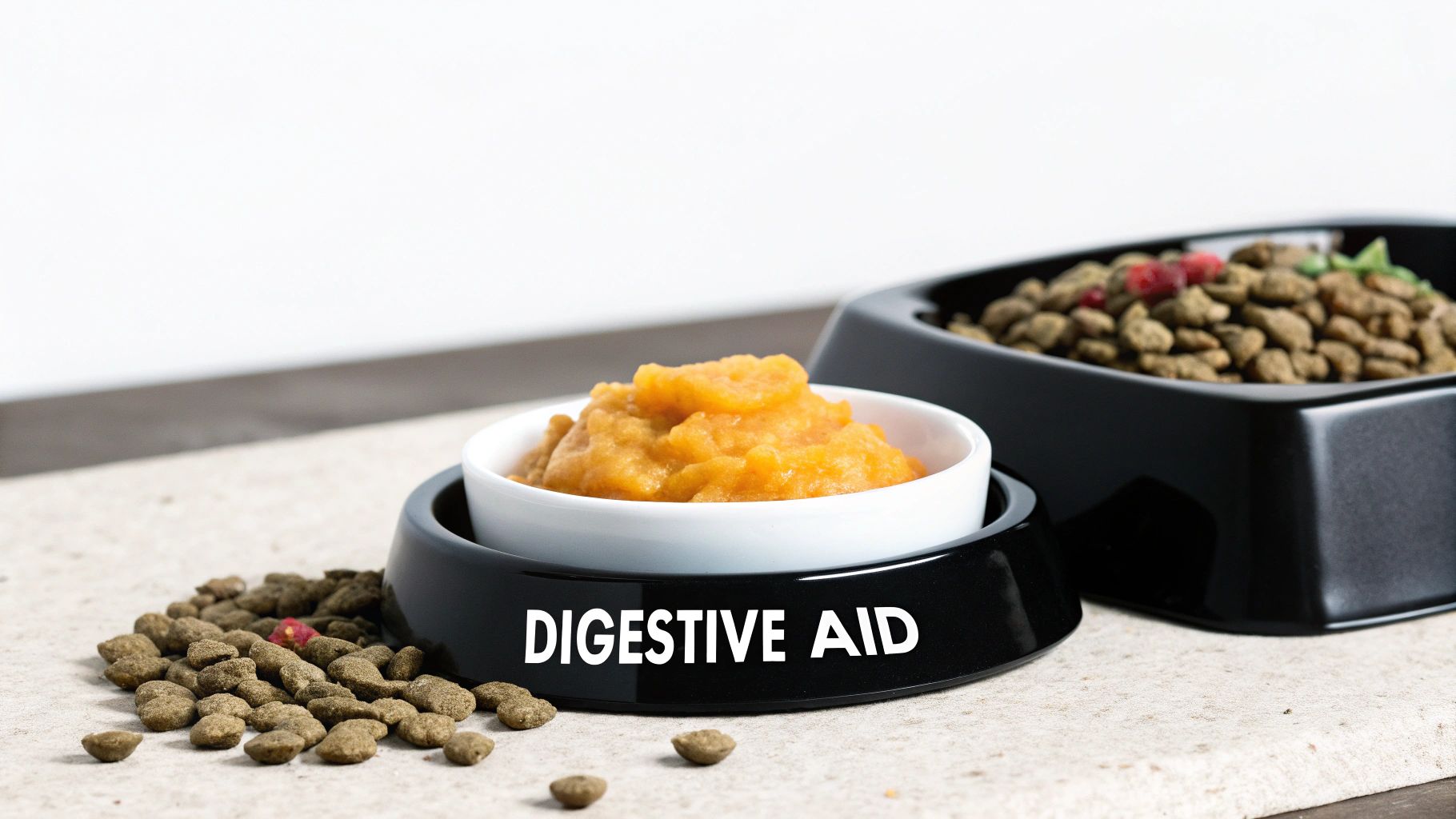
Pumpkin is a versatile winter squash renowned for its remarkable ability to regulate canine digestive health. This superfood is a go-to for veterinarians and pet parents alike because its unique fiber content can help with both diarrhea and constipation. As one of the best vegetables for dogs, pumpkin works by absorbing excess water to firm up loose stools and adding bulk to help move things along when a dog is constipated.
Nutritional Powerhouse
Pumpkin is packed with both soluble and insoluble fiber, which is the key to its digestive-regulating magic. It also contains essential micronutrients like Vitamin A, Vitamin C, and potassium, which support immune function and muscle health. The prebiotic nature of pumpkin fiber also nourishes beneficial gut bacteria, promoting a healthy digestive microbiome.
Vet-Reviewed Insight: "I often recommend a spoonful of pure pumpkin for dogs experiencing mild digestive upset after travel or a dietary change. It’s a safe, natural, and effective first line of defense for stabilizing their system before resorting to medications."
Serving and Preparation Guide
The most important rule is to only use 100% pure pumpkin, not pumpkin pie filling, which contains sugar and spices that are harmful to dogs.
- Canned Pumpkin: Pure canned pumpkin is the most convenient option. It’s consistent and ready to serve. Just mix it into your dog's regular food.
- Fresh Pumpkin: You can roast and puree fresh pumpkin. Remove the seeds and stringy pulp, then bake until soft.
- Frozen Cubes: Freeze pureed pumpkin in ice cube trays for perfectly portioned, ready-to-use servings. This is a great way to prevent waste.
Portion Control by Dog Size
Introduce pumpkin gradually and serve it at room temperature for the best digestive benefits.
- Small Dogs (under 20 lbs): 1 to 2 teaspoons per day.
- Medium Dogs (20-50 lbs): 1 to 2 tablespoons per day.
- Large Dogs (over 50 lbs): 2 to 4 tablespoons per day.
Pumpkin's role in digestive health has made it a star ingredient in many specialized dog foods. To discover more options that prioritize gut health, you can explore the best dog food for digestive health on JoyFull Pet. Its soothing properties make it an invaluable addition to any dog's dietary toolkit.
4. Green Beans: The Low-Calorie Nutrient Dense Snack
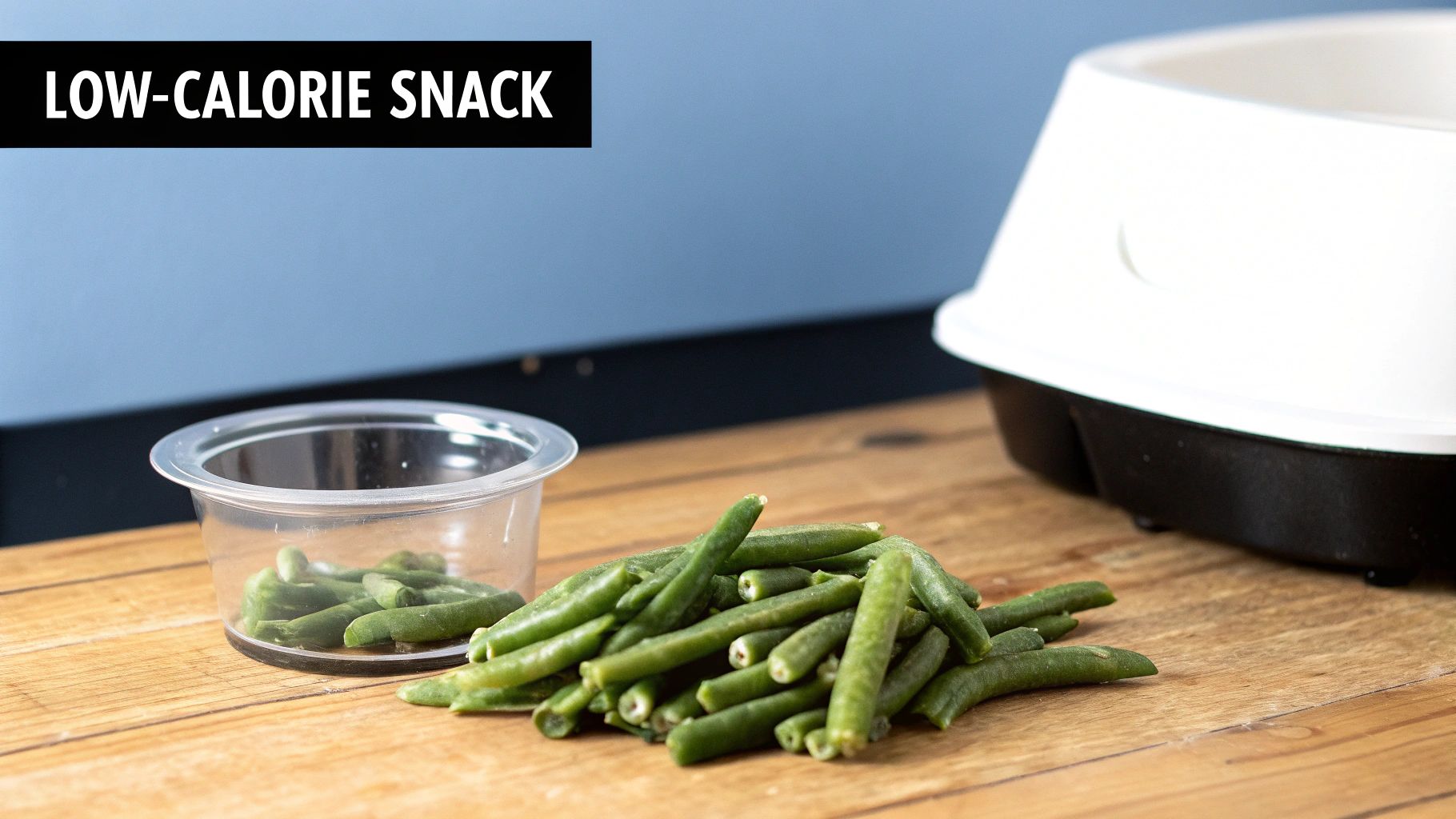
Green beans are an excellent choice for dog owners looking for a lean, nutritious, and satisfying treat. Often recommended by veterinarians for weight management, these legumes are packed with vitamins and minerals but are remarkably low in calories. Their crunchy texture provides a satisfying chewing experience, making them one of the best vegetables for dogs who need a healthy alternative to high-calorie biscuits.
Nutritional Powerhouse
Green beans are loaded with essential nutrients. They are a great source of Vitamin K, crucial for blood clotting, and Vitamin C, a powerful antioxidant that boosts the immune system. They also provide manganese, Vitamin A, and a healthy dose of dietary fiber, which supports digestive health and can help your dog feel full longer.
Vet-Reviewed Insight: "I frequently recommend the 'green bean diet' for overweight dogs. Replacing a small portion of their regular kibble with unsalted green beans can reduce overall calorie intake while the added fiber promotes satiety, helping them feel full and satisfied."
Serving and Preparation Guide
Green beans can be served to dogs in several simple and safe ways. Whether fresh, frozen, or canned, ensure they are plain with no added salt, spices, or oils. If using canned beans, choose the "no salt added" variety and rinse them thoroughly.
- Raw or Frozen: Fresh, raw green beans offer a satisfying crunch. Simply wash, trim the ends, and cut them into bite-sized pieces. Frozen green beans are a great cool-down treat on a warm day.
- Steamed or Boiled: For dogs with sensitive digestion or older pets, lightly steaming or boiling the beans makes them softer and easier to digest.
- Food Topper: Chop up green beans and mix them into your dog's regular meal to add nutrients and fiber without significantly increasing calories.
Portion Control by Dog Size
Green beans are safe in moderation but should still be considered a treat and make up no more than 10% of your dog’s daily caloric intake.
- Small Dogs (under 20 lbs): 1-2 tablespoons of chopped green beans per day.
- Medium Dogs (20-50 lbs): 2-4 tablespoons (about a small handful) per day.
- Large Dogs (over 50 lbs): ¼ cup of chopped green beans per day.
Their low-calorie profile makes green beans an ideal training treat or a healthy snack substitute. To discover more vet-approved treat options for your companion, you can explore a wide variety of healthy snacks for dogs on JoyFull Pet. Their versatility and nutritional benefits make them a simple yet powerful addition to any dog's diet.
5. Broccoli: The Immune-Supporting Cruciferous Vegetable
Broccoli is a nutrient-dense cruciferous vegetable that can be a healthy addition to your dog's diet when given in moderation. This powerhouse green is celebrated for its impressive vitamin and mineral content, making it one of the best vegetables for dogs looking for an immune system boost. Its unique compounds offer benefits that go beyond basic nutrition, supporting cellular health and overall vitality.
Nutritional Powerhouse
Broccoli is packed with Vitamin C, a powerful antioxidant that supports a healthy immune response, and Vitamin K, which is essential for bone health and blood clotting. It is also a great source of dietary fiber for digestive regularity. More importantly, broccoli contains sulforaphane, a compound studied for its anti-inflammatory and potential cancer-fighting properties.
Vet-Reviewed Insight: "Broccoli contains isothiocyanates, which can cause mild to severe gastric irritation in some dogs if consumed in large quantities. The florets are generally safer than the stems. Always introduce it slowly and keep portions small to avoid any digestive upset."
Serving and Preparation Guide
Proper preparation is crucial for making broccoli a safe and beneficial treat. The florets are the most suitable part for dogs, as the thick, woody stems can be a choking hazard and are harder to digest.
- Steamed Broccoli: Lightly steaming broccoli for 3-5 minutes makes it easier for your dog to digest and absorb its nutrients. Allow it to cool completely before serving.
- Raw Broccoli: Small, bite-sized florets can be offered raw as a crunchy snack. Ensure they are small enough to prevent choking.
- Pureed for Toppers: For a simple meal enhancer, steam and puree broccoli to mix into your dog's regular food, ensuring they get the benefits without the risk of choking. Never add salt, oils, or seasonings.
Portion Control by Dog Size
Due to the presence of isothiocyanates, broccoli should make up less than 5% of your dog's daily food intake.
- Small Dogs (under 20 lbs): One or two small, bite-sized florets per day.
- Medium Dogs (20-50 lbs): Two to three small florets per day.
- Large Dogs (over 50 lbs): A small handful of florets (less than a quarter cup) per day.
Broccoli's immune-supporting properties have made it a popular ingredient in functional dog treats and recovery diets recommended by holistic veterinarians. By following these portion and preparation guidelines, you can safely incorporate this cruciferous champion into your dog's wellness routine.
6. Spinach: The Iron and Mineral Rich Leafy Green
Spinach is a nutrient-dense leafy green that can be a healthy addition to your dog's diet when served in moderation. This superfood is loaded with vitamins and minerals, offering a significant nutritional boost that supports various bodily functions. While it's one of the best vegetables for dogs due to its rich profile, its high oxalate content means careful portion control is essential.
Nutritional Powerhouse
Spinach is packed with iron, which is crucial for carrying oxygen in the blood and supporting energy levels. It's also an excellent source of Vitamin K for bone health, Vitamin A for vision, and Vitamin C for immune support. Additionally, it contains magnesium and other antioxidants that help fight inflammation and cellular damage.
Vet-Reviewed Insight: "Spinach contains oxalates, which can interfere with calcium absorption and may contribute to kidney stones in susceptible dogs. While a healthy dog can process small amounts without issue, it should be offered sparingly and avoided entirely for dogs with a history of kidney or bladder stones."
Serving and Preparation Guide
Proper preparation makes spinach safer and more digestible for your canine companion. Always wash the leaves thoroughly to remove any pesticides or dirt.
- Steamed or Blanched: Lightly steaming or blanching spinach and chopping it finely is the best method. This process reduces the oxalate content and makes the nutrients easier for your dog to absorb. Never add salt, garlic, onions, or other seasonings.
- Finely Chopped: If serving raw, chop it into very small pieces and mix a tiny amount into their regular food to aid digestion. Remove the tough stems.
- Pureed: For a simple nutrient boost, you can blend a small amount of steamed, cooled spinach with a little water and add it as a topper to their kibble.
Portion Control by Dog Size
Due to its oxalate content, spinach should be an occasional treat, not a daily staple.
- Small Dogs (under 20 lbs): No more than half a tablespoon of chopped, cooked spinach once or twice a week.
- Medium Dogs (20-50 lbs): Up to one tablespoon of chopped, cooked spinach occasionally.
- Large Dogs (over 50 lbs): One to two tablespoons of chopped, cooked spinach per week is plenty.
Given its powerful but potent nature, spinach is often included in carefully balanced, premium dog foods. When you see it on an ingredient list, manufacturers like those featured on JoyFull Pet have calculated the precise, safe amount to deliver benefits without risk. For home feeding, always err on the side of caution and keep portions small.
7. Celery: The Hydrating Low-Calorie Treat with Breath Benefits
Celery is an excellent, hydrating snack for dogs, especially during warmer months. Comprised of about 95% water, this low-calorie vegetable offers a satisfying crunch without adding significant calories to your dog's diet. Its fibrous stalks can help clean teeth, and some of its natural compounds are believed to help freshen a dog's breath, making it one of the best vegetables for dogs who need a light, refreshing treat.
Nutritional Powerhouse
While not as nutrient-dense as other vegetables, celery is valued for what it lacks: calories, fat, and cholesterol. It does provide a good source of fiber for digestive health and contains essential vitamins like Vitamin A, Vitamin C, and Vitamin K. It also offers trace minerals such as potassium and folate, contributing to overall wellness in a light, hydrating package.
Vet-Reviewed Insight: "Celery is a fantastic option for dogs on a weight management plan. It provides the oral satisfaction of a crunchy treat without the caloric load, making it a perfect substitute for high-calorie biscuits."
Serving and Preparation Guide
Proper preparation is crucial to ensure celery is safe for your dog to eat. The stringy fibers can be a digestive and choking hazard if not handled correctly. Always wash the stalks thoroughly.
- Raw Celery: Chop celery into small, bite-sized pieces appropriate for your dog's size. Removing the tough outer strings with a vegetable peeler is recommended, especially for smaller dogs.
- Cooked Celery: Steamed or boiled celery is softer and easier to digest, though your dog will miss out on the dental-cleaning crunch. Serve it plain without any salt or spices.
- Frozen Treats: Freezing chopped celery pieces creates a soothing, crunchy snack that is perfect for teething puppies or for cooling down a hot dog on a summer day.
Portion Control by Dog Size
Celery should be given as a treat, not a meal replacement. Its high water content can lead to more frequent urination if given in excess.
- Small Dogs (under 20 lbs): One or two 1-inch pieces per day.
- Medium Dogs (20-50 lbs): Two to three 1-inch pieces per day.
- Large Dogs (over 50 lbs): A small handful of chopped pieces (about a quarter of a stalk).
Celery’s low-calorie and high-water content make it an ideal choice for pet parents focused on hydration and weight management. By incorporating small, properly prepared amounts, you can provide a refreshing and beneficial snack that supports your dog's health goals.
8. Peas: The Complete Plant Protein and Fiber Vegetable
Peas are small but mighty legumes that serve as an excellent source of plant-based protein and essential nutrients for dogs. These little green orbs are often found in high-quality commercial dog foods for good reason; they offer a concentrated burst of vitamins and minerals, making them one of the best vegetables for dogs looking for a nutritional boost. Their mild flavor and soft texture when cooked make them a palatable addition to most canine diets.
Nutritional Powerhouse
Peas are packed with a surprising amount of nutrition. They are rich in vitamins A, C, and K, along with minerals like manganese, iron, and phosphorus. What sets them apart is their high protein and fiber content, which supports muscle health and promotes a healthy digestive system. The amino acids in peas contribute to a well-rounded nutritional profile, which is why they are a popular ingredient in many premium and grain-free dog foods.
Vet-Reviewed Insight: "While peas are nutritious, they are not a substitute for animal-based protein. Use them as a supplemental ingredient to enhance your dog's meal, not as the primary protein source. Dogs with a history of kidney issues should avoid peas due to their purine content."
Serving and Preparation Guide
Proper preparation ensures your dog gets all the benefits of peas without any risks. Fresh or frozen peas are the best options, as canned varieties often contain high levels of sodium.
- Cooked Peas: Steaming or boiling peas for a few minutes makes them soft and easy to digest. Always allow them to cool completely before serving. You can mix them into your dog's regular food or offer them as a standalone treat.
- Mashed Peas: For small dogs or seniors, mashing cooked peas can prevent choking and make them even easier to eat.
- Frozen Treats: On a hot day, a few frozen peas can be a fun, crunchy, and hydrating snack.
Portion Control by Dog Size
Peas are best served in moderation due to their calorie and fiber content. Too many can lead to digestive upset.
- Small Dogs (under 20 lbs): One teaspoon of peas per day.
- Medium Dogs (20-50 lbs): One tablespoon of peas per day.
- Large Dogs (over 50 lbs): Up to two tablespoons of peas per day.
Because of their balanced nutritional profile, peas are frequently used by premium dog food manufacturers to create well-rounded, functional diets. To see how quality ingredients can support your dog’s vitality, explore the thoughtfully crafted recipes available from brands like JoyFull Pet. Their inclusion of wholesome vegetables like peas demonstrates a commitment to comprehensive canine wellness.
Top 8 Dog-Friendly Vegetables: Benefits & Nutrition
| Vegetable | 🔄 Preparation Complexity | ⚡ Resource Requirements | ⭐ Expected Outcomes | 📊 Ideal Use Cases | 💡 Key Advantages |
|---|---|---|---|---|---|
| Carrots: The Crunchy Dental Health Champion | Low — wash/peel and cut into sticks; raw or frozen | Minimal — inexpensive, long shelf life, raw or cooked | Moderate dental cleaning, beta‑carotene & hydration; low cal | Dental treat, low‑calorie training, teething relief | Affordable, safe for most dogs, versatile; supervise small dogs |
| Sweet Potatoes: The Complete Nutrient Powerhouse | Medium — must cook until soft (bake/steam/boil) | Moderate — requires cooking, refrigerate up to 5 days | High in complex carbs, vitamins A/C/B6, sustained energy | Active dogs, sensitive stomachs, premium food ingredient | Highly digestible energy source; supports skin/coat; control portions |
| Pumpkin: The Digestive Health Regulator | Low — canned puree ready; fresh needs roasting & pureeing | Low — canned convenient, easy to portion & freeze | High digestive regulation, prebiotic fiber, low cal | Constipation/diarrhea aid, post‑antibiotic recovery, mix into food | Vet‑recommended for gut issues; simple dosing and storage |
| Green Beans: The Low‑Calorie Nutrient Dense Snack | Low — trim strings and cut; raw or steamed acceptable | Minimal — fresh/frozen, inexpensive, easy to prepare | Moderate satiety and fiber with very low calories | Weight management, senior diets, bulk treat replacement | Low‑calorie, safe for diabetics; filling substitute for treats |
| Broccoli: The Immune‑Supporting Cruciferous Vegetable | Medium — cut florets; light steam improves digestibility | Low — minimal cooking, refrigerate briefly | Moderate immune support (vitamin C, sulforaphane); may cause gas | Occasional immune‑support treat, recovery protocols (sparingly) | Anti‑inflammatory and antioxidant benefits; feed in small amounts |
| Spinach: The Iron and Mineral Rich Leafy Green | Low — wash, chop or lightly steam | Minimal — small quantities recommended, refrigerate | Moderate micronutrient boost (iron, Mg); high oxalates limit use | Occasional superfood supplement under veterinary guidance | Exceptional nutrient density per calorie; use rarely due to oxalates |
| Celery: The Hydrating Low‑Calorie Treat with Breath Benefits | Low — remove strings, cut small pieces; can freeze for teething | Minimal — very hydrating, year‑round availability | Low nutritional impact but aids hydration and teeth cleaning | Hydration snack, teething relief, weight management | Very low calories, crunchy texture for breath/teeth benefits; remove strings |
| Peas: The Complete Plant Protein and Fiber Vegetable | Low–Medium — cook/steam briefly; fresh or frozen preferred | Moderate — higher calorie density, avoid canned sodium | Moderate protein & fiber boost; nutrient‑dense but caloric | Plant‑protein inclusion, vegetarian formulations, treat enrichment | Good plant protein and fiber source; monitor portions and gas risk |
Cultivating a Healthier Diet, One Veggie at a Time
Navigating the world of canine nutrition can feel complex, but as we've explored, integrating the best vegetables for dogs into their diet is a powerful and straightforward way to enhance their well-being. This journey isn't about completely overhauling their meals overnight. Instead, it’s about making small, intentional additions that build a stronger foundation for a long and vibrant life. By thoughtfully incorporating treats like crunchy carrots, nutrient-dense sweet potatoes, or fiber-rich pumpkin, you are actively participating in your dog's health journey, providing them with a spectrum of vitamins, minerals, and antioxidants that support everything from their immune system to their digestive regularity.
The true value lies in understanding that these vegetables are more than just low-calorie snacks. They are functional foods. A piece of celery offers hydration and helps freshen breath, while a spoonful of spinach delivers a potent dose of iron and essential vitamins. Each vegetable we've covered brings a unique set of benefits to the table, allowing you to customize your dog's treat routine based on their specific needs and preferences. This approach transforms treat time from a simple reward into a meaningful opportunity for nourishment.
Your Blueprint for Veggie Success: Key Takeaways
To ensure you're introducing these healthy additions safely and effectively, let's recap the most critical principles. Think of these as your golden rules for sharing nature's bounty with your furry companion.
- The "Start Low, Go Slow" Rule: Always introduce any new food, including vegetables, in very small amounts. This gives your dog's digestive system time to adjust and allows you to monitor for any signs of intolerance, such as gas, bloating, or loose stools.
- The 10% Guideline: Treats, even healthy ones like vegetables, should never make up more than 10% of your dog's total daily caloric intake. This ensures their primary, balanced dog food remains the cornerstone of their nutrition.
- Preparation is Paramount: Safety and digestibility are directly linked to how you prepare the vegetables. Always wash them thoroughly, chop them into appropriate, bite-sized pieces to prevent choking, and cook them (steaming or boiling is ideal) to break down tough fibers. Avoid seasonings, oils, butter, salt, and especially toxic ingredients like onions and garlic.
- Know the No-Go Zone: While many vegetables are beneficial, some are toxic. Always be certain a vegetable is safe before offering it. This list of the best vegetables for dogs is a great starting point, but always double-check if you're unsure about a particular food.
From Knowledge to Action: Your Next Steps
You are now equipped with the knowledge to make informed decisions about incorporating vegetables into your dog's diet. The next step is to put this information into practice. Start by selecting one or two vegetables from our list that you think your dog might enjoy. Perhaps begin with the subtle sweetness of a steamed carrot or the satisfying crunch of a fresh green bean.
Observe your dog's reaction. Do they love it? Are they hesitant? Pay attention to their digestion over the next 24-48 hours. This mindful approach will help you build a customized "menu" of veggie snacks that your dog loves and tolerates well. For those who are passionate about providing the absolute freshest options, you might even consider growing your own. A well-planned home garden can be a fantastic, sustainable source of organic produce for both you and your pet. If you're new to gardening, a guide on how to start a vegetable garden can be invaluable in getting you started on the right foot.
Ultimately, partnering with your veterinarian is the most crucial step. They are your best resource for creating a holistic wellness plan tailored to your dog's unique age, breed, and health status. By combining expert veterinary guidance with your own informed, daily choices, you are creating a powerful synergy for a healthier, happier companion.
Ready to elevate your dog's nutrition beyond just treats? At Joyfull, we craft premium, balanced meals that incorporate the wholesome goodness of real, vet-approved vegetables to support your dog's total wellness. Discover how our expertly formulated recipes can make every meal a joyful step toward a healthier life at Joyfull.
0 comments