


The Ultimate Guide to the Best Wet Food for Cats
The best wet food for your cat is pretty straightforward when you know what to look for. It should have a clearly named animal protein right at the top of the ingredients list, a moisture content of at least 75%, and be light on carbs and cheap fillers. Brands like JoyFull really lean into this philosophy, crafting recipes that respect a cat's biology.
Why Wet Food Is a Game-Changer for Your Cat's Health
Ever wonder why your cat barely touches their water bowl? It's not just a weird quirk. Our house cats come from a long line of desert dwellers who got nearly all their water from the prey they caught. Their thirst drive is naturally low, which means they often won't drink enough water to keep themselves properly hydrated in a modern home.
This is where wet food steps in and does more than just fill a belly—it becomes a primary source of hydration. With moisture levels often soaring above 75%, every meal is like a drink of water built right into their food. This constant, low-level hydration is vital for keeping their entire system running smoothly.
Supporting Their Most Important Systems
Proper hydration does wonders for two of the most sensitive parts of a cat's body: their urinary tract and their kidneys. A steady stream of water helps dilute their urine, making it much harder for painful bladder crystals or stones to form. This is especially critical for male cats, who are notoriously susceptible to life-threatening urinary blockages.
On top of that, good hydration takes a huge load off the kidneys, which work tirelessly to filter waste from their blood. Over years, even mild, chronic dehydration can lead to kidney stress and eventually contribute to chronic kidney disease—one of the most common health issues we see in older cats.
When you choose to feed wet food, you're not just giving them a meal. You're actively protecting their urinary and kidney health by aligning their diet with the way their bodies were designed to function. It’s one of the simplest, most powerful things you can do for their long-term health.
Fueling the True Carnivore
Beyond just water content, the best wet foods mimic what a cat would eat in the wild: high in protein, low in carbs. Cats are obligate carnivores, a term that simply means their bodies are built to thrive on a diet of animal tissue, not plants.
A high-protein diet is non-negotiable for:
- Building Lean Muscle: The amino acids from protein are the building blocks for strong muscles, keeping your cat agile and healthy.
- Maintaining a Healthy Weight: Protein helps cats feel full and satisfied, which is a big help in preventing them from overeating. On the other hand, carb-heavy diets often lead to weight gain because cats just can't process those calories efficiently.
- Energy and Vitality: For a cat, animal-based protein is the ultimate fuel source, powering everything from their late-night zoomies to a robust immune system.
More and more cat owners are catching on to these benefits. The canned wet cat food market, which was valued at USD 814.8 million in 2025, is expected to explode to USD 7,960.8 million by 2035. That’s a huge shift, and it shows that people are prioritizing nutrition that actually makes sense for their pets.
Still weighing your options? Our guide on wet vs. dry cat food breaks down the pros and cons to help you feel confident in your choice. At the end of the day, a quality wet food is an investment in your cat’s health. Of course, a healthy cat also needs a safe environment, which is why solid flea and tick prevention strategies are just as important as what's in their bowl.
How to Decode a Cat Food Label Like a Pro
Walking into the pet food aisle can feel like information overload. The flashy packaging and promises of "gourmet" or "premium" formulas make it hard to figure out what's actually good for your cat. But here's a secret: the label itself is your most powerful tool, you just need to learn how to read it. Once you do, you can cut through the marketing fluff and make choices based on solid nutritional science.
Start With the Ingredient List
The first place I always look is the ingredient list. It’s not just a jumble of words; ingredients are listed by weight before cooking. This means the first few items on that list make up the majority of what's in the can or pouch.
For an obligate carnivore like your cat, the very first ingredient should be a high-quality, named animal protein. Think "deboned chicken" or "salmon," not vague terms like "meat" or "poultry." It’s about specificity.
This simple infographic breaks down the three pillars of feline health that the best wet foods support: proper hydration, high-quality protein, and healthy weight management.
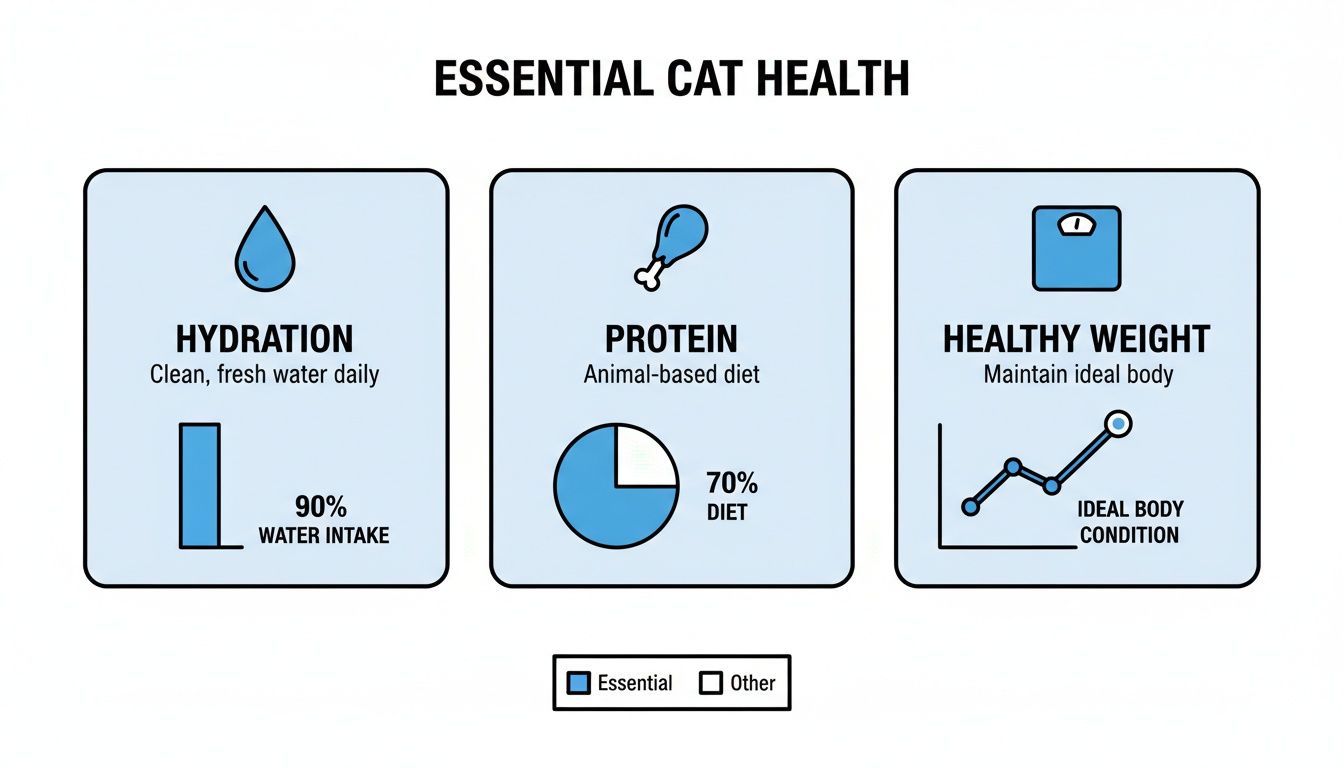
As you can see, these aren't separate goals. Good protein and hydration are the foundation for keeping your cat at a lean, healthy weight for life.
The Guaranteed Analysis: What the Numbers Mean
Next, find the box labeled "Guaranteed Analysis." It’s a bit like the nutrition facts on your own food, showing the minimum percentages of crude protein and fat, and the maximums for fiber and moisture.
A word of caution: don't get fixated on the highest protein number. The source of that protein is what truly matters. A food boasting 35% protein from something like corn gluten meal is worlds away from a food with 10% protein derived from real chicken. Your cat can't use plant protein nearly as efficiently.
The ideal wet food profile is simple: high protein from animal sources, moderate fat, minimal carbohydrates, and a high moisture content—usually 75% or more.
That high moisture level is a massive benefit. It’s one of the main reasons vets recommend wet food, as it naturally keeps your cat hydrated and supports their kidney and urinary health.
The AAFCO Statement: Your Seal of Approval
Finally, hunt for a small but incredibly important sentence: the AAFCO statement. The Association of American Feed Control Officials (AAFCO) sets the nutritional standards for pet foods in the U.S. This little statement is your proof that the food is nutritionally complete and not just a treat.
You're looking for phrasing that says something like:
- "[Product Name] is formulated to meet the nutritional levels established by the AAFCO Cat Food Nutrient Profiles for [life stage]."
The "life stage" part is key. It will specify "growth" (for kittens), "maintenance" (for adults), or "all life stages." If a food lacks this statement, it should only be fed as a supplement, not as your cat's main diet. Think of it as the official seal of approval confirming the recipe has everything your cat needs to thrive.
To make this even easier, here’s a quick-reference table to help you spot the good from the bad at a glance.
Decoding Your Cat's Wet Food Label
| Label Component | What to Look For (Green Flags) | What to Avoid (Red Flags) |
|---|---|---|
| Ingredient List | Named animal protein as the first ingredient (e.g., "chicken," "salmon," "beef liver"). Whole food ingredients. | Vague terms like "meat by-products," "animal digest," or "poultry." Corn, wheat, or soy as top ingredients. |
| Guaranteed Analysis | High moisture (over 75%). High protein from animal sources. Moderate fat. | Low moisture content. High percentage of crude fiber (often indicates fillers). |
| AAFCO Statement | A clear statement that the food is "complete and balanced" for a specific life stage (kitten, adult, all life stages). | No AAFCO statement present, or wording that says "for intermittent or supplemental feeding only." |
| Artificial Additives | Natural preservatives like mixed tocopherols (Vitamin E). No artificial colors or flavors. | Artificial colors (e.g., Red 40), flavors, and chemical preservatives like BHA, BHT, or ethoxyquin. |
Learning to spot these green and red flags on the label is the single best skill you can develop to ensure you're feeding your cat the high-quality nutrition they deserve. For a more detailed breakdown, you can check out our comprehensive guide on how to choose the right food for your cat.
Choosing the Best Proteins and Nutrients
When you flip over a can of cat food, the first ingredient you see is usually the protein source—and for good reason. It's the absolute star of the show. Cats are obligate carnivores, a term that simply means their bodies are built to thrive on nutrients found in animal tissue, not plants. For them, high-quality protein isn’t just a preference; it’s a biological necessity.
Think of protein like a chain made of individual links called amino acids. A cat’s body can produce some of these on its own, but there are 11 essential amino acids it must get directly from food. Animal-based proteins are "complete," meaning they provide all of these crucial building blocks in just the right amounts.
Plant-based proteins just don't make the cut. They're incomplete for a cat's needs and are missing critical amino acids like taurine, which is vital for heart health, vision, and more. A diet that skimps on animal protein can unfortunately lead to serious, even life-threatening, health issues.
Comparing Common Animal Proteins
Not all animal proteins are created equal, especially when it comes to your cat's digestion and health. Knowing the difference between the common sources you'll find on a label can make you a much smarter shopper.
- Chicken and Turkey: These lean poultry options are highly digestible and well-tolerated by most cats. They offer a fantastic amino acid profile, making them a cornerstone of many top-tier cat foods.
- Fish (Salmon, Tuna): Fish is loaded with Omega-3 fatty acids, which are amazing for reducing inflammation and giving your cat a healthy, shiny coat. The catch? Some cats can develop sensitivities, so it's best offered in rotation.
- Beef and Lamb: These red meats are also excellent sources of protein, though they tend to be higher in fat. They're a great choice for active cats or for adding some variety to the menu to keep things interesting.
A food that clearly names its protein, like "deboned chicken," is always a better bet than one using a vague term like "meat by-products." That kind of transparency signals a brand that's proud of what's inside the can. To learn more, check out our guide on the best protein sources for cats.
Beyond Protein: Essential Nutrients to Look For
While protein gets all the attention, a truly balanced wet food is a team effort. Understanding the role of essential amino acids for your pet is key, but here are a few other powerful players to spot on the ingredient list:
- Taurine: We mentioned it before, but it bears repeating. This amino acid is so critical that it's a non-negotiable ingredient required in all "complete and balanced" cat foods.
- Omega Fatty Acids: Labeled as Omega-3s and Omega-6s, these fats are vital for healthy skin, flexible joints, and even brain function. Fish oil and flaxseed are common sources.
- Vitamins and Minerals: A good formula includes a thoughtful blend of nutrients like Vitamin E (a natural antioxidant), B vitamins (for energy), and balanced minerals like calcium and phosphorus to support everything from strong bones to a robust immune system.
The Great Grain-Free Debate
"Grain-free" has become a major buzzword, but it doesn't automatically mean a food is superior. Cats certainly don't have a biological need for carbohydrates, and diets packed with cheap fillers like corn or wheat can lead to unhealthy weight gain.
The real issue isn't whether a food contains grains, but its total carbohydrate content. A "grain-free" food that's loaded with starchy potatoes or peas can still be too high in carbs for your little carnivore.
The goal is to find a food that is low in carbohydrates, period. Small amounts of digestible carbs from sources like pumpkin can provide useful fiber and nutrients. It's all about balance and making sure that high-quality animal protein remains the main event.
Matching Food to Your Cat's Special Health Needs
Just like us, every cat has unique health quirks that can change throughout their life. A standard, one-size-fits-all diet often falls short when a cat is dealing with a specific health challenge. The great news is that the right wet food can be an incredibly powerful tool for managing many common conditions, turning mealtime into a form of targeted therapy.
This shift toward specialized nutrition is really taking hold. As more of us see our cats as true family members, the demand for health-focused food has exploded. In fact, the global wet cat food market was valued between USD 6.8 billion and USD 9.5 billion in 2025 and is expected to climb as high as USD 14.2 billion by 2032. This isn't just a trend; it's a fundamental change in how we care for our pets. You can discover more insights about this growing market on coherentmarketinsights.com.
But here’s a crucial reminder: any significant diet change for a medical issue must be guided by your veterinarian. While the right food from the store can offer amazing support, your vet is the only one who can provide a proper diagnosis and recommend a diet truly tailored to your cat’s needs.
Formulas for Sensitive Stomachs and Food Allergies
Does your cat struggle with chronic digestive upset or itchy, irritated skin? These are the classic calling cards of a sensitive stomach or a potential food allergy. Your goal is to find a formula that’s both gentle on their system and free of common triggers.
For tummy troubles, look for foods with a simple, clean ingredient list. Wet food is already a great start, as its soft texture and high moisture content are inherently easier to digest than dry kibble. Some formulas even include prebiotics or probiotics to help nurture a healthy gut.
When you suspect allergies, the usual suspects are common proteins like chicken, beef, and fish. This is where a limited ingredient diet (LID) can be a total game-changer. These foods are built around a single, novel protein source—think duck, rabbit, or venison—that your cat has likely never encountered, dramatically reducing the chance of an allergic reaction.
Supporting Urinary and Kidney Health
Unfortunately, urinary tract and kidney problems are all too common in cats. The good news is that diet plays a massive role in managing these conditions. Simply by feeding wet food, you're already increasing your cat’s water intake, which is the first and most important step in diluting their urine and flushing their system.
For cats prone to urinary crystals or stones, specialized diets go even further. They are meticulously formulated to:
- Control Mineral Levels: They carefully manage magnesium and phosphorus, the building blocks of common struvite and calcium oxalate crystals.
- Promote an Acidic Urine pH: This creates an internal environment where it’s much more difficult for certain types of crystals to form in the first place.
The approach shifts for cats diagnosed with chronic kidney disease (CKD). A renal diet is designed to ease the burden on their hardworking but compromised kidneys.
These therapeutic diets typically have lower levels of high-quality protein and restricted phosphorus. They're often enriched with omega-3 fatty acids to help reduce inflammation. This is a prescription-level diet you should never start without a vet's specific diagnosis, as it’s not appropriate for a healthy cat.
Weight Management and Diabetic Cats
Helping your cat maintain a healthy weight is one of the best things you can do for their long-term health, warding off problems from joint pain to diabetes. Wet food is a fantastic ally here because its high water content helps cats feel full and satisfied on fewer calories.
Look for a "healthy weight" or "indoor cat" formula that’s high in protein and low in carbohydrates. This combination helps your cat preserve lean muscle while encouraging their body to burn fat for energy.
For diabetic cats, diet is the absolute cornerstone of their treatment plan. The ideal food is almost always a high-protein, low-carbohydrate wet food. This mimics their natural carnivorous diet and helps stabilize blood sugar by avoiding the dangerous spikes that carb-heavy foods can cause. Your vet will partner with you to find the perfect formula that works in sync with your cat's insulin therapy, keeping them feeling their absolute best.
How to Successfully Transition Your Cat to a New Food
So you've found the perfect wet food for your cat. That's a huge win! But the real challenge? Getting your cat to actually eat it. Cats are notoriously skeptical of change, and a sudden switch in their food bowl can lead to anything from a hunger strike to a full-blown digestive revolt. The secret to a happy cat and a clean floor is a slow, patient transition.
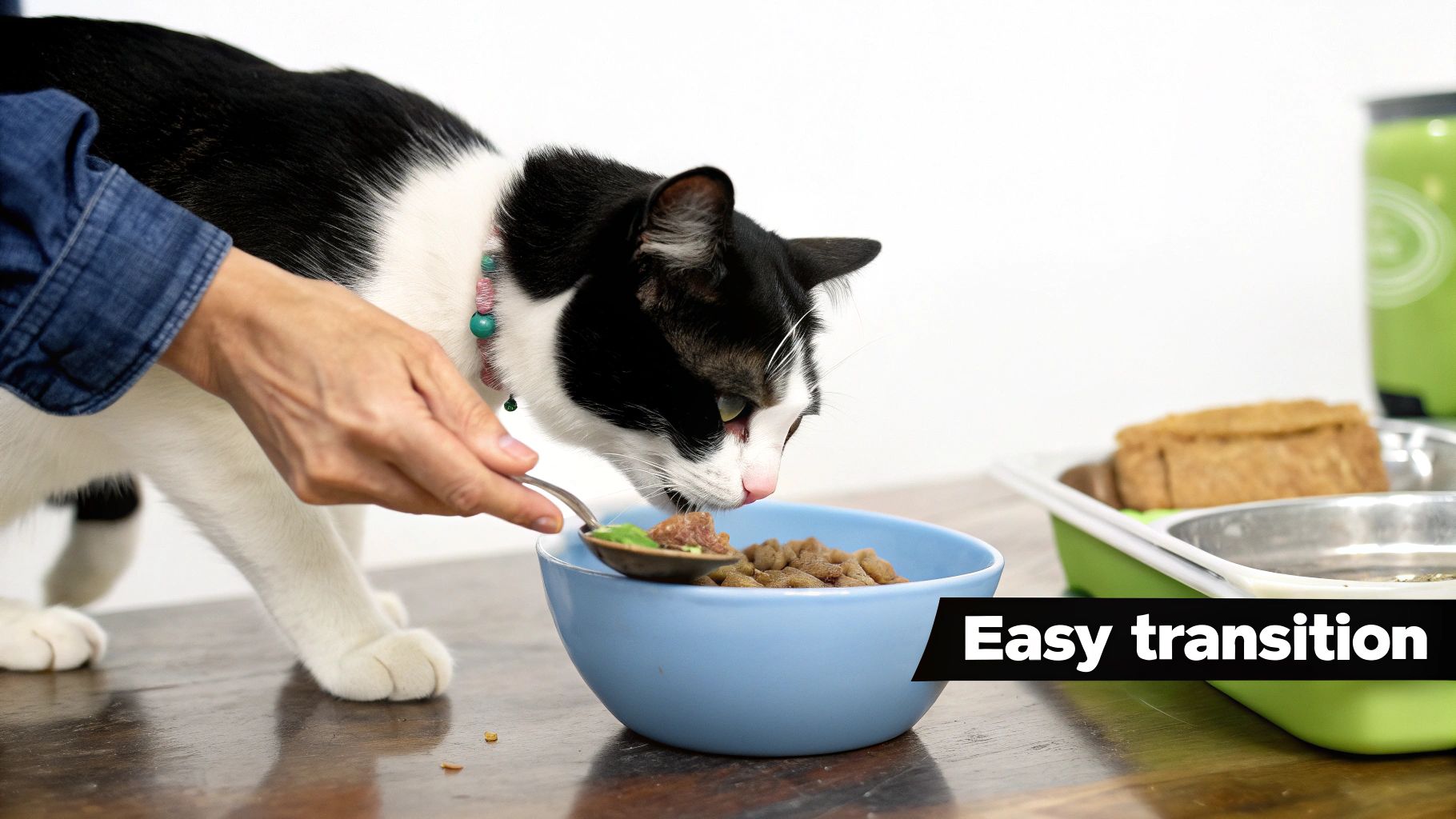
Think of it less like flipping a switch and more like slowly turning a dial. The idea is to give your cat's taste buds—and just as importantly, their digestive system—time to get acquainted with the new textures, smells, and ingredients. If you rush it, you risk creating a bad memory around the new food, which will only make your job harder down the road.
The 7 to 10-Day Transition Plan
Patience is everything here. A 7 to 10-day timeline works beautifully for most cats, giving their gut bacteria a chance to adapt and preventing nasty side effects like diarrhea or vomiting. For cats who are especially finicky or have sensitive stomachs, you might even want to stretch this out a little longer.
Here’s a simple, vet-approved schedule to follow. The goal is to slowly increase the amount of new food while phasing out the old stuff.
- Days 1–2: Start with a mix of 75% old food and just 25% new food. This is a gentle introduction, letting them get used to the new scent without it being too much.
- Days 3–4: Now, shift to a 50/50 mix of old and new. By this point, your cat should be getting more comfortable with the change.
- Days 5–6: Time to tip the scales. Serve 25% old food mixed with 75% new food. The new recipe is now the main event.
- Day 7 and beyond: If everything looks good (no upset tummies!), you can officially make the switch to 100% new food.
Keep a close eye on your cat's appetite and what’s happening in the litter box throughout the process. If you spot any trouble, just dial it back to the previous ratio for another day or two before moving forward again.
Remember, this timeline is a guideline, not a strict rule. Some cats might adapt faster, while others need a bit more time. The most important thing is to watch your cat’s signals and adjust the pace accordingly.
Tips for Winning Over a Picky Eater
Is your cat giving the new food the cold shoulder? Don’t panic. This is common, especially if they've spent their whole life eating dry kibble with its sprayed-on, super-intense flavor coatings. They sometimes need a little extra convincing to appreciate the more natural, subtle flavors of high-quality wet food.
Here are a few tricks that often work wonders:
- Warm It Up Gently: Pop the food in a microwave-safe dish (never the can!) for just a few seconds. A little warmth releases the food’s meaty aromas, making it smell more like fresh prey and far more enticing.
- Add a Familiar Topper: Sprinkle a tiny bit of their absolute favorite treat on top—a few flakes of freeze-dried salmon or chicken can do the trick. This often encourages them to take that all-important first bite.
- Play with Texture: If the pâté is a flop, maybe a shredded or minced formula will win them over. For some cats, the "mouthfeel" is just as critical as the taste.
Upgrading your cat's diet is a true act of love. By managing the transition with a little patience and care, you’re not just changing their food—you’re setting them up for a healthier, happier life.
Got Questions About Wet Cat Food? We Have Answers.
Stepping into the world of wet food can feel like learning a new language. You're trying to do the best for your cat, but practical questions always pop up. How much is enough? Is mixing okay? What about their teeth? Let's clear the air and tackle some of the most common questions cat owners have.
How Much Wet Food Should I Actually Feed My Cat?
There's no single scoop size that fits every cat. The right amount really comes down to your cat’s age, weight, how active they are, and the specific food you're serving. Think of the feeding guide on the can as a solid starting point, not a strict rule.
For a typical 8-10 pound adult cat who enjoys a good nap, about 5-6 ounces of wet food a day, split into two meals, is usually about right. But if your cat is an indoor parkour champion or has a territory to patrol outside, they'll need more calories.
The best way to know for sure? Keep an eye on your cat's body condition. You should be able to feel their ribs with a gentle press, but not see them. If you notice them getting a little too chunky or a bit too lean, adjust their portions accordingly. When in doubt, your vet can give you a precise calorie count tailored just for them.
Can I Mix Wet and Dry Food?
Absolutely! Many people do this. It’s often called "mixed feeding," and it’s a great way to get the benefits of both worlds. Your cat gets the amazing hydration from wet food while the dry kibble adds convenience and a crunchy texture they might enjoy. It can also be a bit easier on the wallet.
The trick is to avoid overfeeding. You can't just give a full serving of both. A good rule of thumb is to serve half the daily recommended amount of dry food and half of the wet food. This strategy is also a fantastic way to slowly introduce a kibble-loving cat to the healthier, moisture-rich diet they need.
Mixing wet and dry food can be a balanced approach. The wet food delivers crucial hydration, while the kibble offers a different texture and can suit schedules where food needs to be left out for short periods.
Is Wet Food Bad for My Cat's Teeth?
This is one of the biggest myths out there, and it’s time to bust it. The idea that dry food scrubs teeth clean is mostly wishful thinking. Most cats swallow kibble whole or crack it once, so there’s very little, if any, cleaning action happening. It's certainly no replacement for a real dental routine.
A cat’s oral health is mainly influenced by genetics, professional cleanings at the vet, and at-home care like brushing. The health benefits of wet food—especially for hydration, urinary tract health, and kidney support—are so powerful that they far outweigh any tiny, supposed dental downside. If you want to take great care of your cat, focus on a high-quality wet food diet and a separate, consistent dental plan.
How Long Can I Leave Wet Food Out?
Here’s an easy rule: treat your cat’s wet food like you’d treat your own perishable food. Food safety experts say you shouldn’t leave it at room temperature for more than two hours. If it’s a hot day (over 90°F or 32°C), that window shrinks to just one hour. After that, bacteria can start to grow.
It's much safer to get your cat on a meal schedule instead of letting them graze all day.
- Serve it up: Put the food down and give your cat 20-30 minutes to eat their fill.
- Store the rest: Once they walk away, cover any leftovers and pop them straight into the fridge.
- Keep it fresh: An open can of cat food will stay good in the fridge for up to three days, as long as it's tightly covered.
This simple habit keeps their food safe and fresh. Plus, it helps you notice right away if their appetite changes, which is often the first sign that something is up.
At JoyFull, we think feeding your cat well shouldn't be complicated. Our vet-reviewed recipes use clean ingredients and high-quality protein to support your cat’s health from the inside out. See our no-BS approach to pet wellness for yourself at https://joyfullpet.com.