


A Pet Parent's Guide to Prebiotic Dog Food and Gut Health
So, what exactly is prebiotic dog food? Put simply, it’s a type of dog food packed with specific, non-digestible fibers. These fibers act as a five-star meal for the good bacteria already living in your dog's gut.
Think of it like this: your dog’s digestive system is a bustling garden. Prebiotics are the premium fertilizer that helps the good stuff—the beneficial microbes—flourish, creating a healthy and balanced ecosystem from the inside out.
Your Dog's Wellness Journey Begins in Their Gut

As pet owners, we all want our dogs to be happy and full of life. But the true secret to their health might not be what you see on the surface, like a glossy coat or boundless energy. More and more, veterinary science is showing us that a healthy gut is the absolute cornerstone of a dog's overall well-being.
Those little things you might brush off—a bit of gas, stools that aren't quite right, or the occasional upset stomach—are often your dog's gut talking. It's a sign that their microbiome, the vast community of bacteria in their digestive tract, might be out of whack. When this internal ecosystem is off-kilter, it can impact everything from how well they absorb nutrients to their ability to fight off illness. In fact, an estimated 70% of a dog's immune system is located right there in their gut.
This is exactly where prebiotic dog food comes into play. It's not some passing fad or a quick fix. Instead, it’s a smart, foundational way to support their digestive health with every meal. By feeding those beneficial gut bacteria, you help build a resilient and thriving internal environment for your best friend.
Why Gut Health Is the Critical First Step
A happy gut is a non-negotiable for a healthy dog. For pups with ongoing tummy troubles, finding the best dog food for intestinal problems can be a real turning point. But for most dogs, proactively supporting their microbiome is the key to preventing issues before they even start.
A well-fed gut contributes to:
- Smoother Digestion: This means more consistent, firm stools and less embarrassing gas.
- A Robust Immune System: It helps their body naturally defend against unwanted germs.
- Enhanced Nutrient Absorption: You can be sure they're getting every bit of goodness from their food.
- Overall Vibrancy: A healthy gut is directly linked to better energy levels and even a happier disposition.
Think of your dog's gut as their health headquarters. By nourishing it with prebiotics, you're not just filling their bowl—you're cultivating a powerful internal ecosystem that supports their entire body.
What Exactly Is Prebiotic Dog Food?
Let's break down a complex topic with a simple analogy. Think of your dog's gut as a garden. The beneficial bacteria that live there, the probiotics, are the plants and flowers you want to thrive.
But what do all good plants need to grow strong? High-quality fertilizer.
That's precisely the role of prebiotics. They are the specialized "fertilizer" for the good bacteria in your dog's digestive system. Prebiotic dog food is formulated with specific types of dietary fiber that your dog can't digest. Instead, these fibers make their way down to the colon completely intact.
Once there, they become the perfect food source for beneficial bacteria that already live in your dog's gut, like Bifidobacterium and Lactobacillus. This isn't just random feeding; prebiotics are highly selective, nourishing the good guys while starving out the bad microbes.
The Power of Feeding the Good Guys
So, what happens when these good bacteria get a meal they love? They ferment the prebiotic fibers and, in the process, produce powerful compounds called Short-Chain Fatty Acids (SCFAs). These SCFAs are the real workhorses of gut health.
Think of SCFAs as the skilled gardeners tending to the gut lining. They are the main energy source for the cells of the colon wall, helping to keep it strong and intact. A healthy gut wall acts as a barrier, preventing harmful toxins and pathogens from leaking into your dog's bloodstream.
In short, prebiotic dog food doesn't introduce new bacteria. It works from the inside out, nourishing and strengthening the beneficial microbial community your dog already has. A well-fed microbiome is the cornerstone of better digestion, a more robust immune system, and overall well-being.
From Niche Supplement to Mainstream Meal
This idea of nurturing the gut has really changed the game in pet wellness. What used to be something you'd only find in a specialized supplement is now a star ingredient in many everyday dog foods and treats. This shift is happening because dog owners are looking for proactive ways to support their pet's health, and food science has caught up.
While probiotics have been on the scene for a while, market reports show prebiotics are now the fastest-growing segment in the "pet-biotics" category. It’s becoming common for manufacturers to combine both prebiotics and probiotics to support everything from digestion to immunity. They even use cool tech like microencapsulation to protect these delicate fibers during the manufacturing process, making sure they arrive in your dog's bowl ready to work. You can discover more insights into the growing pet-biotics market and its trends.
This move into mainstream foods makes supporting your dog's gut health more straightforward and consistent than ever before.
2. Decoding the Label: Prebiotic Ingredients to Look For
Choosing a top-notch prebiotic dog food really comes down to becoming a savvy label-reader. Knowing what to look for on that ingredient panel is the single most important step you can take to support your dog’s gut health. It’s not about falling for marketing buzzwords; it’s about finding the specific, functional fibers that genuinely feed the good bacteria in your dog's digestive system.
The first thing to do is scan for named sources of fiber, not just vague terms. High-quality dog foods are always proud to show off their beneficial ingredients. Think of it this way: prebiotics are the fertilizer that helps the probiotic "seeds" in the gut flourish into a healthy garden.
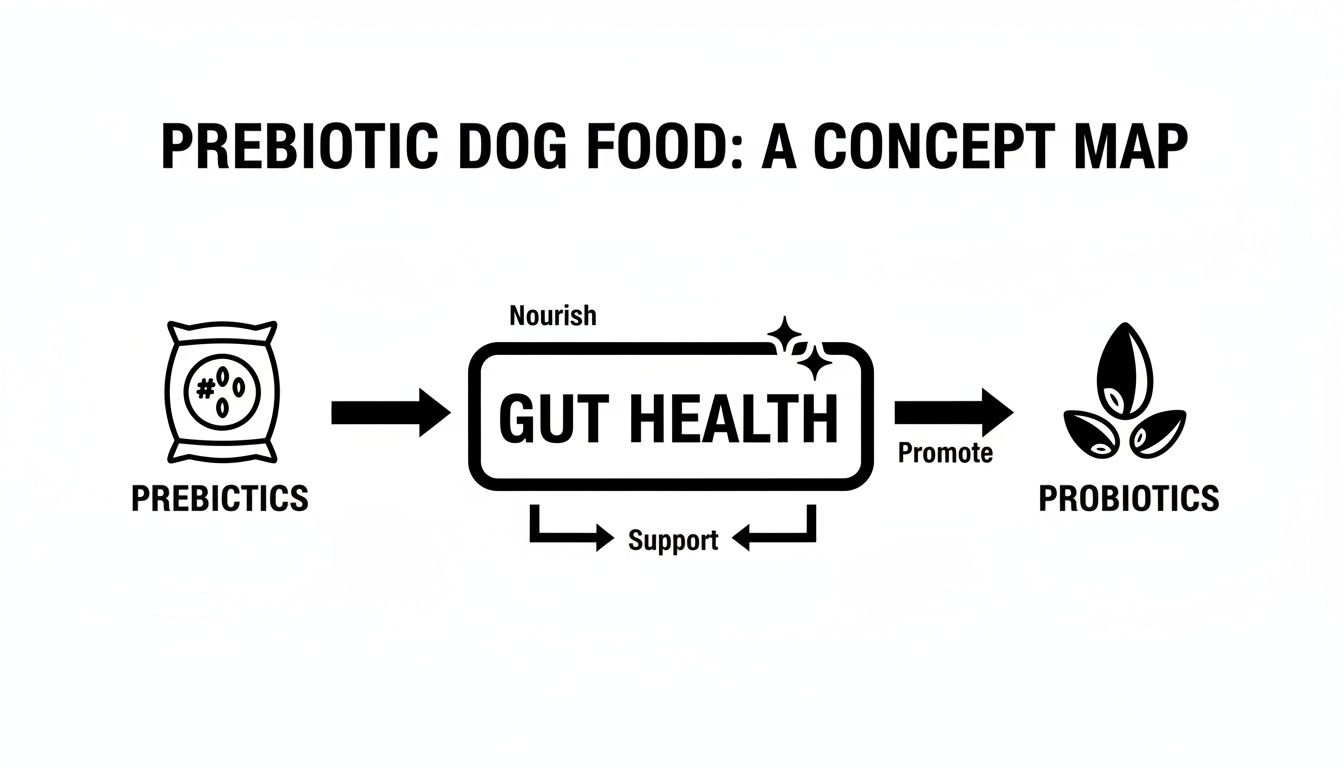
This simple relationship—feeding the good microbes to create a balanced gut—is the core principle. To get really good at this, it helps to learn how to read dog food labels like a pro.
Top Prebiotic Sources to Spot
When you're checking out a bag of dog food, these are the powerhouse ingredients you want to see. They are some of the most effective and well-researched prebiotics known to support canine gut wellness.
To help you get familiar with what to look for, here’s a quick breakdown of the best prebiotic sources and what they do for your pup.
Common Prebiotic Ingredients in Dog Food
| Prebiotic Ingredient | Common Source | Primary Gut Health Benefit |
|---|---|---|
| Inulin | Chicory root, Jerusalem artichoke | Feeds beneficial bacteria like Bifidobacterium, promoting a healthy gut balance. |
| Fructooligosaccharides (FOS) | Chicory, bananas, asparagus | Stimulates the growth of good gut flora and can improve mineral absorption. |
| Galactooligosaccharides (GOS) | Legumes, root vegetables | Targets specific good bacteria and helps support a healthy immune response. |
| Pumpkin & Sweet Potatoes | Whole foods | Provides a mix of soluble and insoluble fibers that aid digestion and nourish the gut. |
| Apples & Carrots | Whole foods | Offers pectin and other fibers that help regulate bowel movements and feed microbes. |
| Beet Pulp | Whole food | A great source of fiber that promotes colon health and stool quality. |
By spotting these specific names on the ingredient panel, you can feel confident you’re buying a food that truly invests in your dog’s digestive "gut garden."
A quick tip: Vague terms like "dietary fiber" don't tell you anything about the source or its benefit. Specificity is always a sign of a higher-quality formula.
Ingredients to Approach With Caution
Just as important as knowing what to look for is knowing what to be wary of. Some ingredients add fiber but offer little to no prebiotic benefit, while others might even cause issues for dogs with sensitive stomachs.
Keep an eye out for excessive, low-quality fillers. Things like corn, wheat, and soy can be tough for some dogs to digest and may contribute to inflammation over time.
Also, try to steer clear of artificial colors, flavors, and preservatives. They add zero nutritional value and can potentially disrupt the delicate balance of the gut microbiome. A clean, simple, and transparent ingredient list is always the best bet for a happy gut.
Prebiotics vs. Probiotics: Understanding the Key Difference
It's one of the most common points of confusion I see with dog owners, but the distinction between prebiotics and probiotics is actually pretty simple—and it’s crucial for your dog’s health. While both are fantastic for the gut, they play two very different, yet complementary, roles.
Think of your dog's gut as a garden. You want that garden to be lush, healthy, and full of life.
- Probiotics are the live seeds. These are the actual beneficial bacteria—the "good bugs"—that you're planting in the garden. They're living organisms that arrive on the scene to help populate the ecosystem.
- Prebiotics are the specialized fertilizer. This is the food that nourishes the good bacteria already living there, helping them grow strong and multiply. They are specific fibers that the good guys feast on.
So, while adding probiotics can be a big help, especially after something like a round of antibiotics, their effect is often just temporary. They're like helpful visitors passing through. Prebiotic dog food, on the other hand, provides the daily nourishment needed to strengthen and encourage the growth of your dog’s own unique and established colonies of good bacteria.
Nurturing vs. Adding
The core difference really comes down to their jobs. Probiotics add new bacteria to the system, which is great for a short-term boost. Prebiotics, however, nurture the native good bacteria that are already perfectly adapted to your dog's specific gut environment.
This nurturing approach is what builds a more resilient and self-sufficient gut ecosystem for the long haul. By consistently providing the right "fertilizer," you’re empowering your dog’s microbiome to regulate itself. This makes it much tougher against stressors like diet changes, travel, or illness.
The ultimate goal is a synergistic relationship where the gut has plenty of beneficial microbes (probiotics) and the ideal fuel (prebiotics) to help them thrive. This powerful combination is often referred to as 'synbiotics'.
But the foundational role really belongs to prebiotics. Think of them as the daily maintenance crew, working through your dog's diet to keep the gut environment healthy and welcoming, day in and day out. While both are important, a diet rich in prebiotics builds the strong foundation that allows good bacteria to flourish naturally. You can learn more about finding the best probiotics for dogs in our detailed guide to see how they can complement a prebiotic-rich diet.
The Real-World Benefits of a Prebiotic-Rich Diet
The science is fascinating, but what really counts is seeing the positive changes in your own dog. When you start consistently feeding your dog’s gut microbiome, the benefits aren't just happening on a microscopic level. They show up in real, tangible ways that can make a big difference in their day-to-day happiness and health.
These improvements all circle back to one thing: feeding the good guys in their gut. As those beneficial bacteria flourish, they produce those all-important Short-Chain Fatty Acids (SCFAs) that strengthen the gut wall, help calm inflammation, and support your dog's entire body.
Improved Digestion and Stool Quality
This is usually the first and most welcome change owners see. A happy, well-fed microbiome makes for a much smoother and more comfortable digestive system.
- Firmer, More Consistent Stools: Forget the guesswork on your daily walks. Prebiotics help regulate water in the colon, leading to properly formed, easy-to-pick-up stools.
- Reduced Gas and Bloating: By encouraging the good bacteria to thrive, prebiotics help keep the gassy, less desirable microbes in check. Less flatulence is a win for everyone.
- Better Nutrient Absorption: When your dog’s gut lining is healthy, they can pull more vitamins and minerals from their food. This means they're getting the full nutritional value from every single meal.
This kind of digestive harmony is one of the clearest signs that their internal ecosystem is finally in balance.
A Stronger Immune System
Here’s a fact that surprises many dog owners: roughly 70% of a dog's immune system is located in their gut. That makes their digestive tract the command center for their body's defense team.
When the gut is packed with beneficial bacteria, it forms a strong physical barrier that makes it much harder for bad bugs to get into the bloodstream. A balanced gut also helps regulate the immune system's response, which can dial down the overreactions that lead to allergies and chronic inflammation. Simply put, supporting their gut is one of the best ways to help them stay healthy and resilient.
A prebiotic-rich diet is one of the most effective ways to bolster your dog's natural defenses from the inside out, turning their gut into a fortress of well-being.
It’s no secret that pet owners are catching on. The pet food industry has seen a massive shift toward products that support gut health. The global market for feed prebiotics was valued at over $2.7 billion in the mid-2020s and is expected to soar past $5 billion by the mid-2030s. You can learn more about the growth of the feed prebiotics market and see just how much people are prioritizing digestive wellness.
Enhanced Skin and Coat Health
It might sound odd, but your dog's skin and gut are directly connected through something called the "gut-skin axis." An out-of-whack gut microbiome can trigger inflammation throughout the body, and this often shows up on the outside as itchy skin, hot spots, or a dry, lackluster coat.
By calming that internal fire with prebiotic-rich foods, you can often see a dramatic turnaround. The result is healthier skin and a coat that’s noticeably shinier and softer to the touch. It's the perfect example of how true health really does start from within.
How to Safely Introduce Prebiotic Food to Your Dog
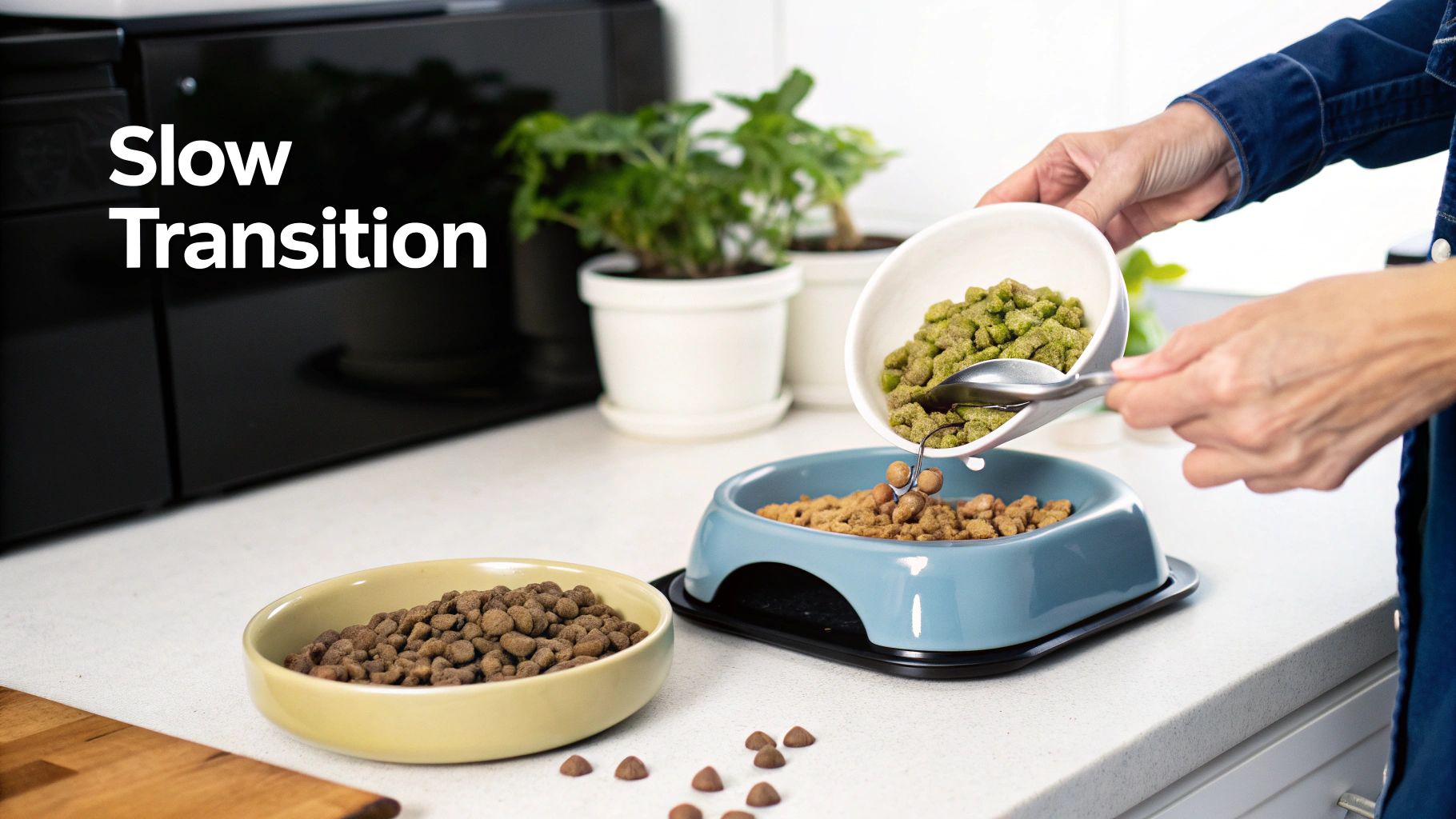
Whenever you switch up your dog's diet, especially with a food designed to tweak their gut health, you have to take it slow. A sudden change can be a real shock to their system, leading to gas, bloating, or diarrhea—not fun for anyone.
The golden rule is a gradual transition. Going "low and slow" gives your dog’s digestive tract, and all the good bacteria living there, a chance to get used to the new ingredients. This way, you avoid any tummy troubles and make the switch a positive experience from the start.
The 7-Day Food Transition Plan
The idea here is simple: slowly phase in the new food while phasing out the old. A week is usually a good timeline, but don't hesitate to stretch it to 10 days if you know your dog has a sensitive stomach.
- Days 1-2: Start with a mix of 75% old food and 25% new food.
- Days 3-4: Go half-and-half with a 50/50 blend.
- Days 5-6: Tip the scales to 25% old food and 75% new.
- Day 7: Your dog should be ready for 100% of their new prebiotic food.
If you want more in-depth advice on this, check out our guide on how to transition a dog to new food.
What to Expect
You might notice some small changes in your dog's poop—maybe in its color or firmness. That’s perfectly normal. It's just a sign that their gut is adjusting. But if you see persistent diarrhea, vomiting, or a loss of appetite, pump the brakes on the transition and give your vet a call.
Thinking about the whole picture can help, too. Sometimes, the right feeding setup can aid digestion. For instance, specially designed ergonomic dog feeder bowls can help your dog eat in a more natural, comfortable posture.
Got Questions About Prebiotic Dog Food? Let's Dig In.
Switching up your dog's food always brings up a few questions, and that's a good thing! When you're thinking about adding prebiotics to their bowl, you want to be sure you're making the right move. We've gathered the most common questions from pet parents just like you to give you clear, straightforward answers.
Let's clear up any confusion so you can feel confident about boosting your dog's gut health, from how fast you'll see results to whether it's safe for your new puppy or your old friend.
How Long Until I See a Difference?
Every dog's system is a little different, but you can generally expect to spot the first signs of improvement within 2-4 weeks. These early wins are usually all about digestion—think firmer, more regular poops and a lot less gassiness. Those are the tell-tale signs that their gut microbiome is starting to get back in balance.
The bigger, more noticeable benefits, like a healthier-looking coat or even a more resilient immune system, take a bit more time to develop. You’ll often see these changes shine through after about 2-3 months of consistent feeding. Remember, you're nurturing an entire internal ecosystem, and that kind of foundational work doesn't happen overnight.
Is It Possible to Give My Dog Too Many Prebiotics?
Yes, you can definitely have too much of a good thing. While prebiotics are fantastic for gut health, a sudden flood of fiber can be a shock to your dog's digestive system.
The most common sign you've overdone it is some temporary digestive chaos—usually some extra gas, bloating, or diarrhea. This is exactly why we always recommend a slow and steady transition when introducing any new food. Following the feeding guidelines on a quality prebiotic dog food is your best bet for hitting that sweet spot.
Are Prebiotics Safe For Puppies and Senior Dogs?
Absolutely. In fact, dogs at both ends of the age spectrum can really benefit from the gut support prebiotics provide.
- For puppies: A balanced gut is the cornerstone of a developing immune system. It also helps them absorb every last nutrient from their food, which is critical for healthy growth.
- For senior dogs: Digestion often becomes less efficient as dogs get older. Prebiotics help keep their gut running smoothly, improve nutrient absorption, and give a helpful boost to an immune system that might not be as robust as it used to be.
Of course, it’s always a smart move to chat with your vet before making any major dietary changes, especially for a young pup or a senior dog with unique health needs. Their guidance will ensure you’re making the perfect choice for your specific dog. It's no surprise that the demand for these ingredients is booming; the global pet biotics market is expected to hit $1.23 billion by 2030. This trend shows just how many owners are seeing the value in gut health. You can learn more about the rising demand for gut-health ingredients and how it's shaping the pet food industry.
At Joyfull, we're all about creating pet wellness products with clean ingredients, top-tier proteins, and a solid scientific foundation. Ready to give your best friend the gift of a happy gut? Explore our products at https://joyfullpet.com.